

Jagex's partnership with Melvor Idle highlights a growing trend of franchise expansions, while other developers take stands on social issues affecting game availability.
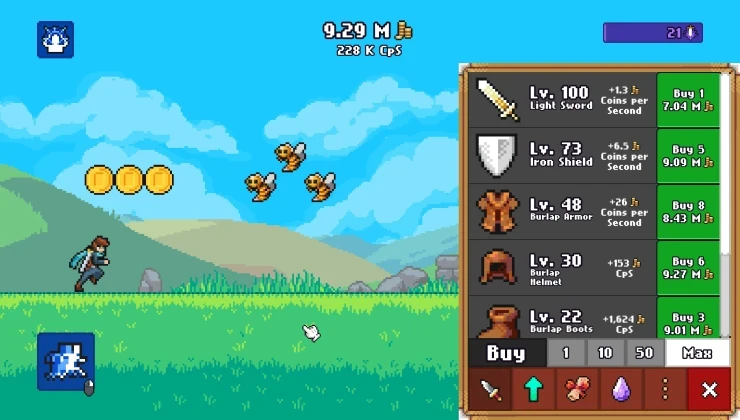
In a move that underscores a growing trend of franchise expansions and collaborations within the gaming industry, Jagex has announced a partnership to transform the idle game “Melvor Idle” into an official RuneScape spinoff. As reported by PC Gamer, this collaboration aims to leverage RuneScape’s nostalgic allure while introducing a new format through the idle gaming genre. While “Melvor Idle 2” doesn’t directly take place in RuneScape’s world of Gielinor, the game’s mechanics and style evidently resonate with the RuneScape canon, appealing to fans of the foundational RPG. This strategic move by Jagex comes as part of a broader industry pattern where game developers seek to reinvigorate interest in classic titles by supporting spinoffs that cater to evolving game preferences like idle mechanics.
Developers Respond to Social Issues
Meanwhile, on a different note, social issues are influencing game availability. Narrative platformer “Celeste” and party fighter “TowerFall” have been delisted from Xbox’s digital storefronts. This decision is in alignment with the BDS (Boycott, Divestment, Sanctions) movement, which focuses on non-violent advocacy for Palestinian rights. As covered by PC Gamer, Maddy Thorson of Maddy Makes Games stated the delisting as a gesture of solidarity, highlighting how social movements can impact gaming distribution decisions. This step follows a broader pattern of developers taking ethical stands that affect product accessibility.
Final Fantasy 14 Expansion Delayed
In other news affecting PC gamers, Square Enix has announced a delay in the release of its “Final Fantasy 14: Evercold” expansion. According to PC Gamer, the expansion, originally slated for a January release, is now scheduled to arrive on February 2. Preorders for “Evcercold” will commence on November 4, offering early access starting February 19. Naoki “Yoshi-P” Yoshida, the game’s director, revealed that the decision was rooted in quality concerns and the need for additional polishing time. Given the scale and complexity of MMOs, a delay of a few weeks is relatively minor, but it underscores the ongoing challenges developers face in balancing deadlines with quality assurance.
This week’s developments illuminate various dynamics at play in the gaming world, from strategic franchise expansions to responses to global social issues, and the perpetual balancing act in game development schedules. Each of these stories reflects a facet of how the gaming industry is evolving and reacting to both internal and external pressures.