
Roblox's AI safety models are now open source, Riot Games pulls back on projects, and Xbox tests console ads due to operational costs.
This week in the gaming industry, we’re seeing significant moves aimed at adjusting operational strategies, enhancing safety measures, and rethinking the traditional business model in gaming. While there are no blockbuster developments, ongoing shifts highlight the industry’s focus on sustainability and safety as digital platforms and business models evolve.
Roblox Open-Sources AI Safety Tools
Roblox has decided to open source three of its AI safety models, an initiative facilitated through the Robust Open Online Safety Tools Model Community (ROOST). This move aims to bolster the security framework surrounding their platform, particularly relevant given Roblox’s vast, young user base that interacts socially on a large scale. Opening these tools to the wider community allows for collaborative improvements and transparency in safeguarding users, potentially setting a precedent for other gaming platforms prioritizing community safety. The decision underscores the importance of AI in moderating and securing dynamic user-generated content environments.
Riot Games Retreats on Financially Unsustainable Project
In a strategic rollback, Riot Games is ending active development on “2XKO,” its free-to-play fighting game. The decision stemmed from the game incurring operational costs exceeding its revenue generation. The move to sunset the project by December highlights the ongoing challenges studios face balancing innovation with financial viability, particularly in the crowded free-to-play arena. This retreat offers a cautionary tale about the sustainability of new game developments that don’t meet financial expectations swiftly enough in a highly competitive market.
Xbox Contemplates Console Advertising
Although not yet implemented, there’s buzz around Xbox potentially introducing ads on its console interfaces. While contentious, some argue it could generate new revenue streams without impacting game quality, enabling platforms to manage escalating costs and fund game development further. This approach, however, could significantly alter user experience, warranting careful execution to avoid alienating core players. The concept underscores the broader industry’s search for diversified revenue avenues amidst rising operational costs.
Upcoming Events for Developers
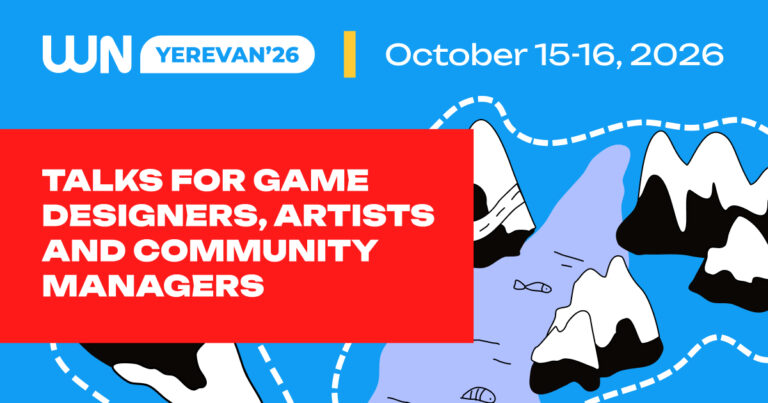
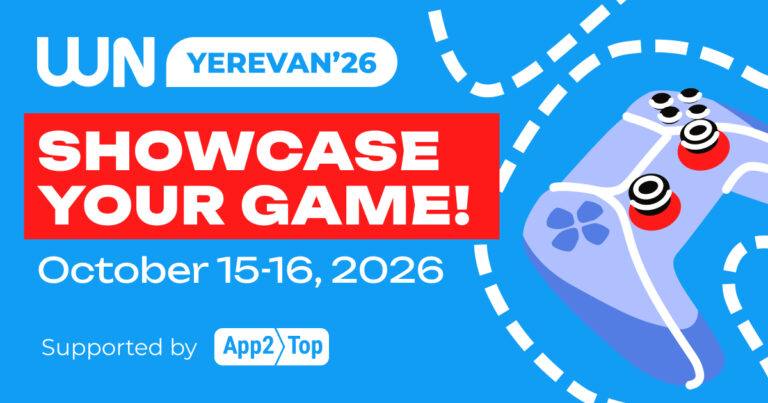
The gaming community in Armenia will soon host WN Yerevan ’26 on October 15-16, a noted business gathering facilitated by App2Top. Applications for participation are currently open for an exhibition and indie pitch, presenting opportunities for independent developers to showcase their creations. This event reflects the growing trend toward supporting indie developers, allowing them to gain visibility and connect with broader industry players, investors, and other developers.
In summary, the landscape of the gaming industry continues to shift, incorporating safety technology, reassessing project viability, contemplating new business models, and opening pathways for indie developers. The industry’s adaptive strategies reflect its ongoing search for balance between innovation, safety, and profitability.