
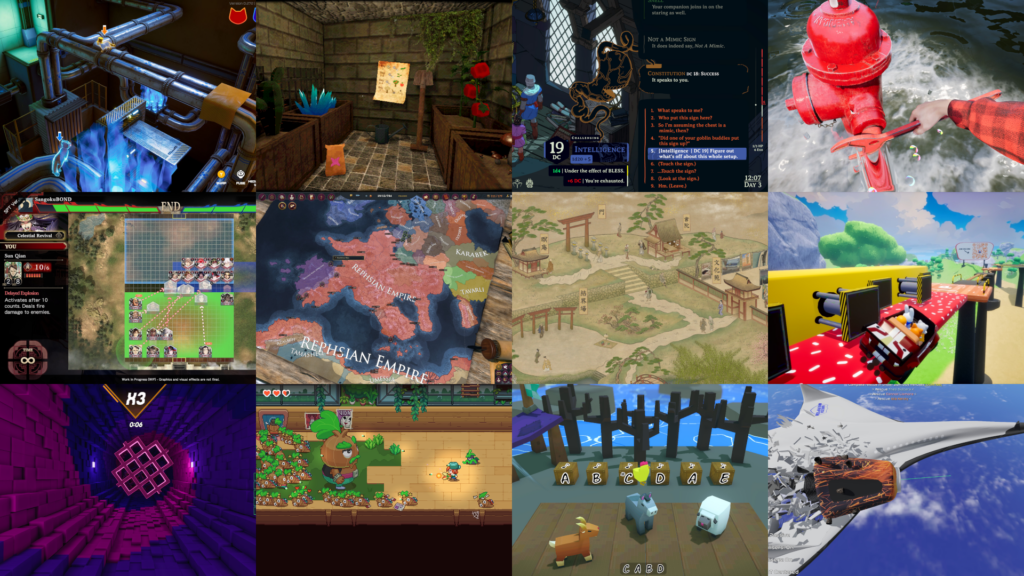
As indie games face new challenges in 2026, some thrive while others struggle to adapt.
In 2026, the landscape for indie games is distinctly different from five years ago. A detailed analysis by Superjump Magazine examines the winners and losers in the current indie market. The industry, once set for expansion in the wake of shifting public sentiment away from AAA live service games, now faces fresh challenges. While corporate acquisitions and venture capitalist investments bolstered the indie scene initially, the environment has evolved significantly.
With broadening interest five years ago, the indie sector enjoyed substantial financial inflows, powering small and medium-sized teams. However, as the market conditions and consumer preferences transform, not all indie developers are finding the same success. The analysis suggests that some studios have continued to flourish, while others have struggled to maintain momentum. The context for this change includes both economic factors and shifting gamer expectations, particularly where quality and innovation are now key differentiators.
A Tale of Two Indie Boomer-Shooters
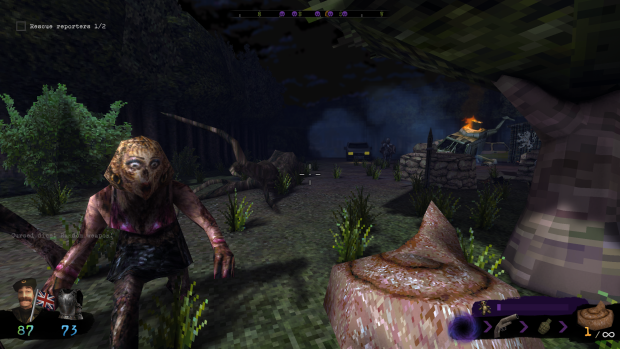
The indie games scene continues to offer examples of creativity and innovation, as seen in two recent releases that both embrace the boomer-shooter genre but with distinct twists.
SCROOMAGE presents a chaotic world where oppressive capitalism meets violent rebellion. Players step into the shoes of Scrume C. Guai, an outrageous character fighting against an economically exploitative overlord. The game’s setting speaks to a common indie theme of taking bold narrative risks and tackling social issues through gameplay and storytelling.
Meanwhile, Hand-to-Hand Wizardry diverges into dark fantasy, introducing a unique mechanic where players use “hand-guns” — literally wizards’ hands grafted onto their character’s wrists. As a student-developed project, it stands as a testament to the fresh ideas frequently emerging from the indie space, demonstrating that even within established genres, innovation is still possible.
Both titles highlight the diverse creativity within indie games, suggesting that while the industry faces challenges, there remains plenty of room for unique storytelling and gameplay experiences. As these games gain traction, they might reflect broader trends where smaller developers continue to push the envelope even as wider market forces fluctuate.