

Intel's efforts to enhance Linux gaming with XeSS support, while Epic adopts AI-first production for new Disney shooter, dominate recent PC gaming developments.
The recent flurry of developments in the PC gaming sector highlights two significant trends: Intel’s continued push into the Linux gaming ecosystem, and Epic’s controversial adoption of AI-driven development methods for a new Disney-affiliated shooter.
Intel Expanding Linux Gaming Capabilities
Intel appears committed to enhancing the capabilities of its hardware on the Linux platform, specifically through Valve’s Proton compatibility layer. As reported by PC Gamer, Intel has submitted requests to incorporate its XeSS upscaling technology into Proton. This move signals a step towards better support for Intel’s mobile chips on Linux—a system traditionally dominated by AMD. As handheld gaming PCs become more popular, this shift could make Intel-powered devices more appealing, especially as competitive alternatives to those using SteamOS.
Additionally, the release of Linux Kernel 7.3, mentioned by GamingOnLinux, brings optimizations that could further enhance Linux gaming. Although the details of these improvements are not specified, the update marks a continued trend towards increasing compatibility and performance for gaming on Linux.
Epic’s AI-First Approach Stirs Controversy
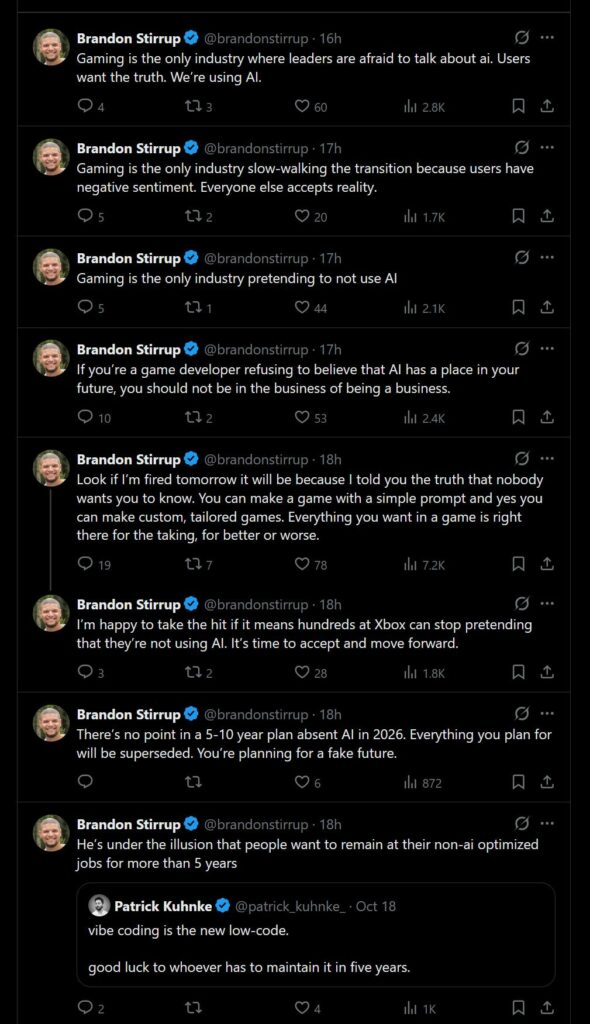
Rock Paper Shotgun has reported on Epic Games’ adoption of an “AI-first” model for an upcoming shooter featuring Marvel and Star Wars characters. The development team is allegedly being directed to utilize AI tools such as Anthropic’s Claude for generating both code and art, marking a significant shift in game development practices. While the full implications of this approach remain to be seen, it has already led to delays, with the project originally slated for a March release now indefinitely postponed.
This move underscores the increasing influence of AI in game development, raising questions about the balance between creativity and efficiency, as well as potential impacts on the industry workforce.
Other Noteworthy Developments
- TP-Link’s US Manufacturing Move: In response to a soft ban on foreign-made routers by the FCC, TP-Link plans to start manufacturing Wi-Fi 8 routers in the US, as covered by PC Gamer.
- New Releases and Updates: Momentum Games, with Black Lantern Collective, is releasing ‘Athanasia’, a Dino Crisis and System Shock-inspired FPS. Meanwhile, ‘Valor Mortis’ has reduced its system requirements just before launch, aiming to attract a broader audience, both reported by Rock Paper Shotgun.
- Order of the Sinking Star: Puzzle game aficionados can look forward to ‘Order of the Sinking Star’, allegedly another time-stealing title from a master of cozy puzzles, mentioned by PCGamesN.