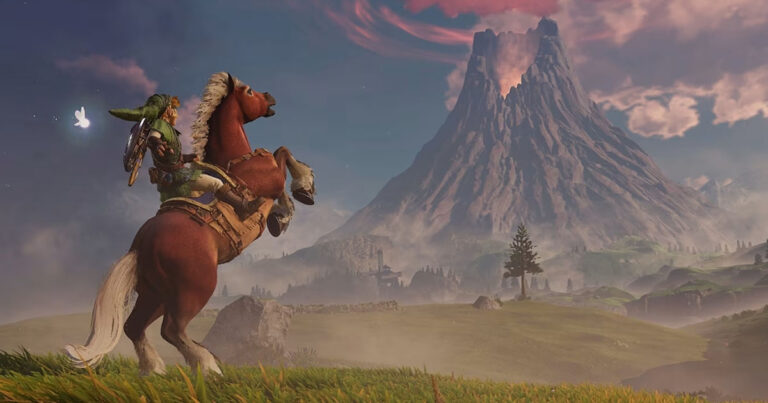


Epic Games' strategic shift towards AI-focused development marks a significant trend as regulatory, market, and technological dynamics reshape the gaming industry in 2026.
This week’s industry news is anchored by Epic Games’ strategic decision to fully embrace an AI-first development approach, marking a significant shift not only for the company itself but for the industry at large. As reported by GameWorldObserver, Epic is prioritizing the use of artificial intelligence technologies to enhance and potentially transform its game development processes.
This shift towards AI is poised to influence how games are created, designed, and brought to market. It highlights a broader industry trend where technology is continuously leveraged to overcome challenges related to scale, complexity, and creativity. While the specifics of Epic’s new AI initiatives are still under wraps, the move underscores the growing importance of AI in the gaming industry’s future strategies.
Regulatory and Legal Challenges
Meanwhile, regulatory issues continue to loom large over the industry. A comprehensive report by GamesIndustry.biz outlines six key regulatory risks, reflecting ongoing challenges in intellectual property, artificial intelligence, and media regulation. In a related legal development, GameWorldObserver reports that San Diego authorities have launched a lawsuit against AppLovin over inappropriate advertising practices in children’s games, illustrating the intense scrutiny tech companies face regarding content regulation and consumer protection.
VR Market Developments
The virtual reality sector continues to be described as “emerging,” with Owlchemy’s CEO highlighting that the market hasn’t reached a stage of mainstream ubiquity, as reported by GameDeveloper. This assertion is reflective of ongoing challenges related to consumer adoption and the viability of VR as a widespread medium. Additionally, layoffs in VR-related businesses indicate that some companies may be struggling to align their product offerings with consumer expectations.
Industry Adjustments and Entertainment Ventures
Economic pressure on gaming companies remains evident, with Undead Labs openly discussing the transparency, perhaps to a fault, about imminent layoffs, according to GameDeveloper. This openness highlights the industry’s ongoing issues with workforce stability amidst shifting market demands.
On a brighter note, GameDeveloper uncovers a successful co-development narrative by Blackbird Interactive and Secret Mode, who leveraged the popularity of “Escape the Backrooms” to reach a significant player base, demonstrating effective synergy in co-development efforts. Additionally, the potential crossover of gaming properties into films and TV continues, with Embark Studios securing adaptation deals for its games “Arc Raiders” and “The Finals,” showcasing the lucrative opportunities for transmedia projects (GameDeveloper).
These stories collectively affirm the dynamic interplay between technological advancement, regulatory adaptation, and creative expansion shaping the gaming industry in 2026.