
King's union agreement marks a major workforce shift as Xbox denies sale rumors amidst a studio split.
Today’s industry developments highlight significant socio-economic shifts across the gaming sector, with a standout moment being King’s landmark agreement with its workers. Simultaneously, Xbox quells rumors about its future, and Undead Labs undergoes layoffs after separating from Microsoft’s gaming giant.
King’s Groundbreaking Union Agreement
King, the mobile gaming company best known for its popular Candy Crush franchise, has taken a progressive step by signing a collective bargaining agreement with its unionized workers. This agreement represents a noteworthy milestone not only for King but also for the broader gaming industry, illustrating the growing influence and solidarity of employee-led unions. As highlighted by Game Developer, the agreement is seen as a positive reflection of the Swedish model of labor relations, which emphasizes cooperation between employers and employees.
Xbox CEO Denies Sale Rumors
Speculation around the potential sale of Xbox has been firmly dismissed by the platform’s new CEO, Asha Sharma. In an interview with the New York Times, Sharma stated categorically that “Xbox is not for sale.” This statement, as reported by Game Developer, comes amidst swirling speculation following changes in Microsoft’s leadership and strategic adjustments in its gaming acquisitions and divestitures.
Undead Labs Faces Layoffs Post-Divestment
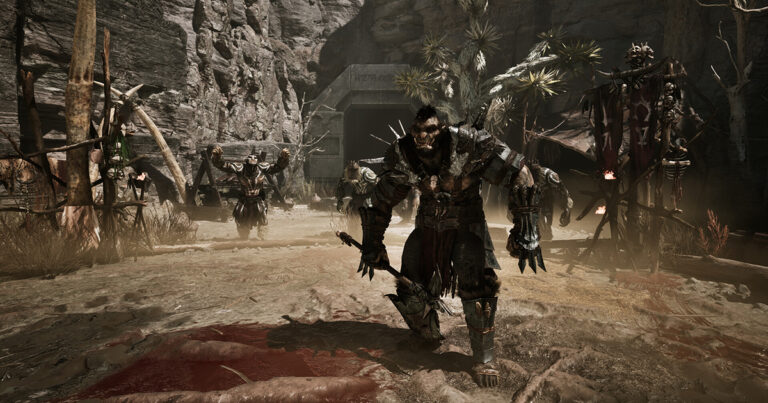
In a significant downsizing move, Undead Labs has announced layoffs as part of its transition away from Xbox. Microsoft had earlier indicated its intention to divest the Seattle-based studio, which is known for its State of Decay franchise. The layoffs mark a sobering development in the studio’s history and reflect broader trends of consolidation and restructuring within the industry. Reporting by Game Developer draws attention to the challenges faced by studios adjusting to independence following corporate separations.
As these stories indicate, the gaming industry continues to experience transformative changes. Employee power dynamics are shifting, corporate strategies are under scrutiny, and studios navigate the complexities of independence—all shaping the landscape for developers and players alike.