
Microsoft's workforce reduction strategy raises industry concerns as developers navigate technological and narrative shifts in PC gaming.
In what’s proving to be a turbulent time for gaming industry employment, Microsoft has initiated voluntary buyouts affecting approximately 60,000 employees, as reported by RockPaperShotgun. Coinciding with recent mandatory office return policies and previous layoffs within Xbox, this move highlights Microsoft’s ongoing adjustment of its workforce amidst economic pressures and strategic restructuring. The gaming division, significantly impacted previously, may face further instability as these significant changes unfold, potentially affecting development timelines and game releases reliant on the stability of the workforce.
Technological Updates and Game Development
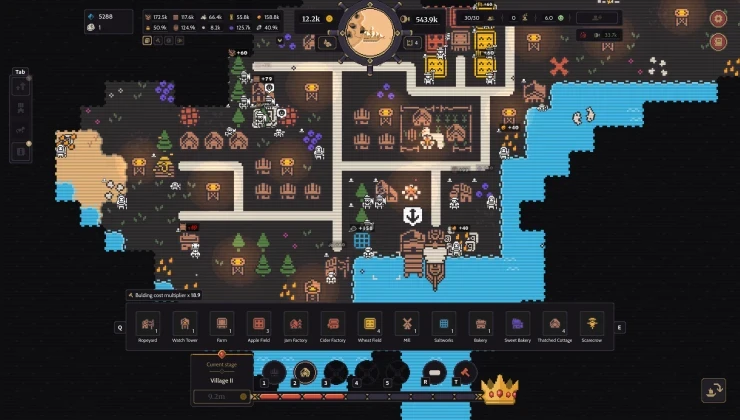
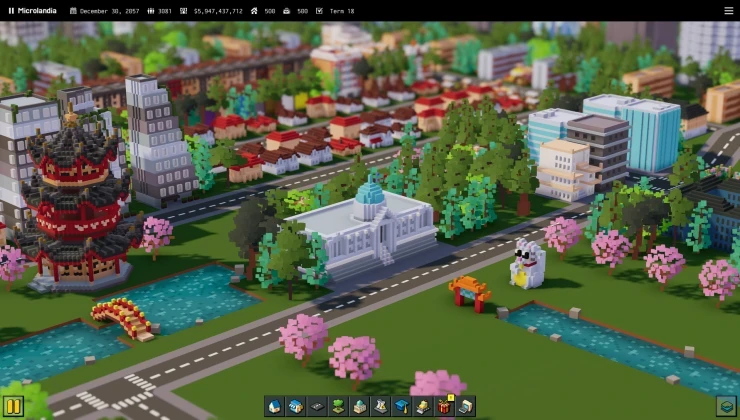
Some notable updates in PC gaming include the release of a big game engine upgrade for Microlandia, a deeply simulated city-building game. According to GamingOnLinux, this upgrade aims to enhance performance, which is welcome news for fans focusing on detailed citizen simulation experiences.
Meanwhile, S.T.A.L.K.E.R. 2: Heart of Chornobyl has rolled out its 2.1 update introducing NPC visualisation distance options, as outlined by GamingOnLinux. This enhancement may particularly benefit players with high-end PCs, providing more flexible graphical performance tuning.
Player Community and Developer Engagement
Developers are juggling a mix of player expectations and technological possibilities. For example, Arc Raiders is still evaluating its PvE mode concept after mixed player feedback, according to PCGamesN. This measured approach underscores the increasing significance of community feedback in shaping game development decisions.
Industry Conversations on Governance and Identity
An intriguing discussion motivated by Steam’s AI disclosures requirement is brewing, likened by some to intrusive political disclosures, as RockPaperShotgun reported. This debate reflects broader questions about transparency and ethical governance within the industry, as developers and consumers negotiate the balance between informed consent and creative process privacy.
Narrative Shifts in Gaming Franchises
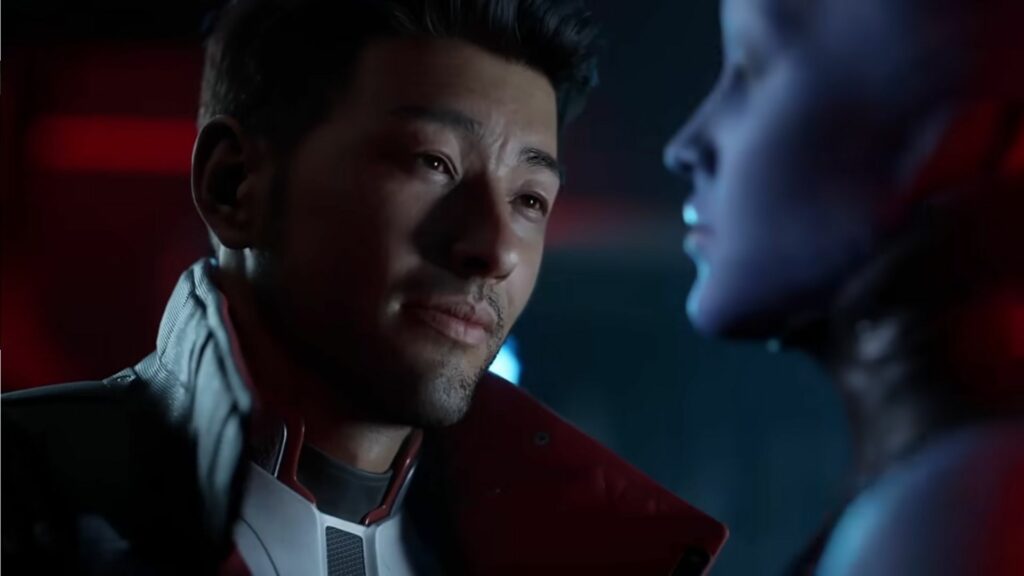
The long-standing fan base of Mass Effect has voiced concerns over the series’ future through a 220,000-signature petition suggesting that EA should outsource Mass Effect 5 development instead of relying on BioWare. This comes shortly after EA’s announcement of BioWare’s closure, as covered by RockPaperShotgun. The uncertainty around the franchise’s direction speaks to broader anxieties about legacy franchises and corporate decision-making.