


data = about thegameland .net, mobile gaming @thegameland.net, thegameland.net, mobile gaming #thegameland.net
iGaming
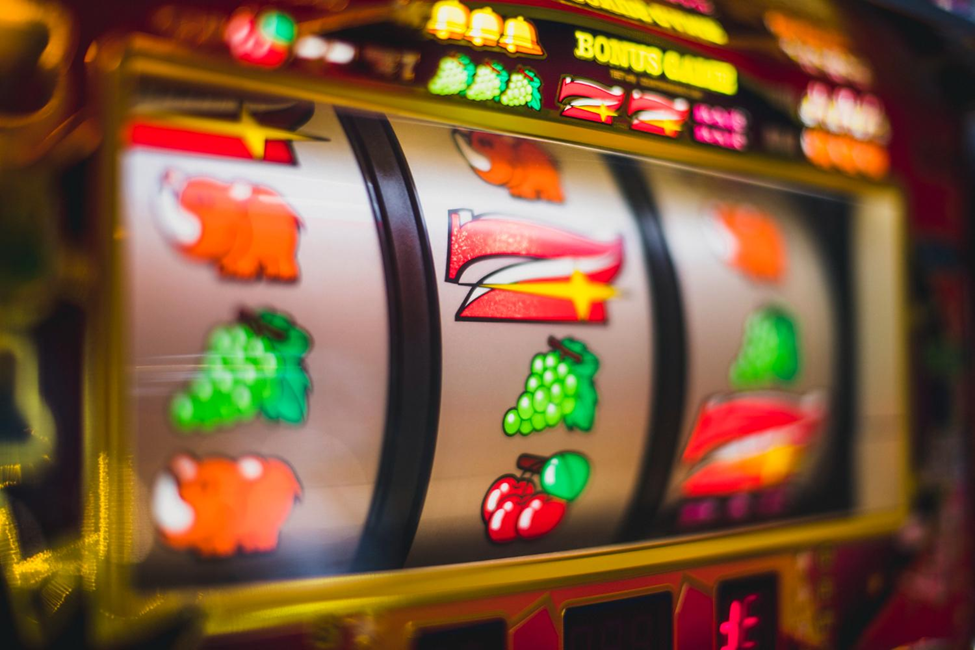
Ever wondered why gamers enjoy slots but still avoid casinos? It’s almost like they don’t identify it as a part of online casinos generally. That explains why, even though they play slots, they still feel skeptical about casinos to some degree.
And when it comes to breaking down game mechanics and player behavior, we at Unigamesify take pride in being the best in business. So, hang on and watch us do it again.
Slot Games as Game Systems, Not Gambling
When regular people hear the word “slots,” they think of casinos, money, and probably pressure. But for gamers, what comes to mind is playing something with progress and feedback.
And that’s where slots as casual games come in. If we remove real-money play and focus on the system, slot games for gamers can feel like a very familiar loop of:
- Do an action (spin/tap)
- The game responds instantly (win/near-miss/bonus trigger)
- Get a reward (coins, free spins, or a mini-feature)
- Repeat
This is the same loop that repeats itself in many free-to-play slot games and casual apps. And because the learning curve is very low, anyone can get the hang of it within a few minutes. These summarize why it feels so familiar:
- Simple controls: Tap, spin, repeat
- Clear feedback loops: The game instantly shows “good” or “bad” outcomes
- Low learning curve: No complex rules to memorize
That is why online slots for casual players effortlessly attract people who normally avoid casino content.
Game Design Mechanics that Feel Familiar

A lot of modern games already use RNG mechanics in games. Some of them are loot drops, card packs, gacha systems, random crafting rolls, etc. But what makes slots stand out is the priority on random rewards. That doesn’t make them good or bad by default; in fact, it just makes the game design in slot games clearer.
RNG vs Loot drops: The Same “Surprise” Engine
In many games, the goal is to grind to get a random item, but in slots, the spin itself is the grind. This is why comparisons to gacha and loot boxes come up so often, because randomized rewards can create similar feelings of anticipation. Researchers even describe loot boxes as randomized reward mechanics that can share structural and psychological similarities with gambling (especially when money is involved).
Reward Pacing and Progression
Good slot design isn’t all about the loop of spinning continually. Rather, it uses progression systems in slots to keep things moving, like:
- Progress bars toward a bonus
- Daily rewards (very common in free apps)
- Unlocking new features and bonus rounds
- “One more spin” pacing through near-misses and small wins
That is what we call classic player engagement mechanics. It’s also why people talk about reward loops in slot games and even the involvement of dopamine loops in games. The brain basically learns from reward and prediction signals, and randomness can make those signals feel stronger because no one knows what is next.
Visual and Audio Feedback
Video game psychology and rewards lean hard on feedback systems like:
- Bright animations
- Win sounds
- “Bonus incoming” effects
- Fast transitions that keep attention
Those who have played idle games, gacha, or arcade titles will be familiar with this same design system.
Why Gamers Prefer Low-Risk Slot Experiences

The main reason why most gamers don’t buy into the casino experience as a whole is that they are not necessarily after the regular thrill; gaming already gives them that. Rather, they want something that fits into real life, offering short sessions, low stress, and no need to sweat ranks.
This is why low-risk gaming experiences on Canadian slot game platforms matter so much. A free-to-play session with Canada free slots can feel like a brain break with background entertainment. For most, it is an escape.
Not to mention, randomness vs skill in games can actually be relaxing. In competitive games, everyone is judged every second. But in slots, no one can be “bad” because the outcome is random. Some players just like that with casual gaming mechanics.
Free Slot Games and Responsible Play
This part matters because several gamers actually avoid casinos for good reasons.
First, we should establish that playing free slots is not the same thing as real-money play. They basically offer a way to explore gaming-style slot experiences without spending anything. But with switching from slot games without real money to spending on them, the risks change.
For those in Canada, especially, it is smart to pay attention to regulation and game testing. A good example is with Ontario’s gaming regulator (AGCO) that publishes technical guidance for Random Number Generators (RNGs), featuring rules meant to support fairness and integrity in regulated environments. Likewise, those who want to explore a low-pressure option can just stick with free-play modes while still keeping up with responsible play. Here is what “responsible” looks like for slot-style games:
- Transparency: Can easily tell the current mode (free vs paid)
- Fair RNG: Outcomes are generated by tested systems in regulated contexts
- Player protections: Time limits, spending limits, and self-exclusion tools on regulated platforms
Where Slot Games Fit in Modern Gaming Culture
Most people assume modern gaming to be only about big console games. But it isn’t all about the AAA titles, but also about the quick mobile sessions and background games too.
The ESA reports that 78% of players play games on a mobile device, which tells us how normal, quick, and casual play has become. It is also estimated that there are billions of mobile players globally, which tells us that gaming is everywhere now, not just in “hardcore” spaces.
And that is exactly where slots fit for many people. It is no longer just a “casino identity,” but it now identifies as casual entertainment.
Here are some real-life examples of how gamers use slot-style play:
- A few spins between matches
- Background tapping while watching streams
- A quick “reward loop” hit during breaks
- Low-effort game when tired of competitive stress
In that sense, free slot games online are closely related to idle games and casual apps, which all have short sessions, fast game feedback systems, and easy stopping points.
Conclusion
Slot games appeal to gamers who avoid casinos because, mechanically, they basically behave like mainstream casual games with fast feedback, simple controls, RNG-based rewards, and short sessions. However, that doesn’t erase the concerns around real-money gambling, but it explains why slot-style systems can still feel “game-like,” especially in free-to-play slot games.
For those who are skeptical of casino content, we don’t downplay your feelings; in fact, that hesitation makes sense. The smart move is to stay in low-risk modes, understand the design, and choose platforms with clear protections when regulation is involved.
So, next time you see a slot-style game, don’t ask “Is this gambling?” first. Ask: What loop is this game using to keep me playing? When you can spot the mechanics, you can enjoy (or skip) the experience with a more informed mindset.

Continue Reading

Crypto casinos attract players who value speed, security, and privacy. Yet many discover that true anonymity is harder to maintain than it first appears. Every wallet address, deposit, and withdrawal can leave a trace that exposes personal details. To protect privacy while playing at crypto casinos, a person must control what information they share, use secure tools, and verify how each platform handles personal data.
Strong privacy habits make a noticeable difference. Choosing platforms that respect anonymity, securing wallets, and using private browsing tools help reduce exposure to tracking or hacking attempts. Simple actions such as enabling two-factor authentication or using a VPN can create strong layers of protection without complicating gameplay.
As technology advances, privacy in crypto gambling depends on awareness rather than luck. The following sections explain the core principles, practical tools, and advanced measures that help players stay safe while enjoying fair and responsible gaming experiences.
Core Privacy Principles for Crypto Casino Players
Players who value privacy in crypto casinos must focus on how data moves through transactions, what platforms do with personal information, and how to reduce exposure across devices. Strong habits around wallet use, casino selection, and browsing privacy create measurable differences in data safety and anonymity.
Understanding Data Exposure and Blockchain Transparency
Blockchain records every transaction in a public ledger. This means that anyone can trace deposits and withdrawals between wallets unless the player uses privacy-oriented tools. Even without personal details, repeating patterns across addresses can still identify a single user.
Each payment leaves digital clues such as timestamps, amounts, and wallet relationships. Casinos may also collect IP addresses, device information, and game activity for security or compliance. Over time, these logs can reveal spending behavior.
To reduce this exposure, users should separate gambling wallets from trading or personal accounts. Privacy coins like Monero and Zcash hide sender details and amounts. Bitcoin users can add extra layers through mixers or the Lightning Network. Understanding this transparency factor helps players know their real level of anonymity before they stake any money.
Choosing No-KYC and Privacy-Focused Casinos
Some casinos allow deposits and withdrawals without identity verification if amounts stay under set limits. These no-KYC sites protect personal data but may impose lower withdrawal caps. A player seeking private gaming experiences might compare several available platforms before selecting one with policies that respect anonymity.
Casinos that support Monero or Bitcoin Lightning payments often collect minimal user data. In addition, players can enjoy fast crypto payouts with JB, Stake, or BetPanda, giving them almost instant access to their winnings while helping limit account exposure. Before registering, players should review the privacy policy to confirm that the casino does not retain logs or share gaming activity with third parties. Licensed operators in lenient jurisdictions often provide more flexible rules on KYC, and two-factor authentication, along with encrypted wallet connections, further strengthen this privacy layer.
Minimizing Digital Footprints and Managing Browsing Privacy
Even strong blockchain privacy fails if browsing habits leak personal details. Web cookies, trackers, and analytics tools can connect user activity across casino sites. Turning off cross-site tracking, clearing history, and using VPNs can block these identifiers.
Anonymous browsers like Tor or privacy plugins provide an additional layer of protection, hiding IP addresses from casino servers. Avoid signing into accounts that use real names or personal emails. Using a dedicated email address for casino accounts reduces linkage to other online profiles.
Casinos such as BitDice and Stake enable secure, discreet play when players handle data carefully. Simple steps like disabling autofill, rejecting unnecessary cookies, and limiting login duration help maintain control over personal information.
Advanced Security Measures and Tools
Strong privacy protection in crypto casinos depends on secure wallets, multi-layered account defenses, and trusted privacy tools. These methods reduce exposure to theft, data breaches, and tracking while keeping transactions more private.
Securing Wallets and Using Privacy Coins
Safe custody of cryptocurrency starts with the right wallet setup. Cold wallets and hardware wallets keep funds offline, making them far less vulnerable to digital theft. Players should store only small balances in casino accounts for daily use and move winnings back to secure storage soon after play.
Before sending funds, users should verify every wallet address carefully. Malware can redirect payments to fake addresses, causing irreversible loss. Firmware updates and official wallet software also protect against known flaws that attackers may exploit.
Privacy coins such as Monero (XMR), Zcash (ZEC), or Dash (DASH) add a deeper layer of anonymity by masking sender details or transaction origins. Some use zero-knowledge proofs (ZKP) to confirm validity without exposing private data. In regions with strong KYC procedures and AML policies, privacy coins allow users to keep personal activity less traceable without breaking compliance rules.
Enhancing Account Security with 2FA and Strong Passwords
A secure casino account depends on strong authentication. Players should create strong passwords with a mix of letters, numbers, and symbols. A password manager helps generate and store them safely while preventing reuse across different services.
Two-factor authentication (2FA) adds another checkpoint against unauthorized entry. Even if a password leaks in a data breach, 2FA blocks access by requiring a separate login code from a mobile app or token.
Phishing attacks often mimic casino pages or customer support messages to steal user details. Checking the web address, verifying SSL encryption, and ignoring suspicious email links prevent many scams. These habits limit the chance of identity theft or unauthorized withdrawals.
Employing VPNs, Mixers, and Encryption Solutions
A virtual private network (VPN) hides the player’s IP address and encrypts online activity. This prevents casinos, internet providers, and hackers from tracing user data. Selecting servers in privacy-friendly locations helps avoid exposure in areas with stricter laws or tracking.
Mixing services, also called mixers, blend cryptocurrency from multiple users to make transactions harder to link. Using a mixer before depositing at a casino separates gambling funds from personal wallets. However, players should research the service to confirm its legality and transparency before use.
Strong encryption protocols protect both browser sessions and stored data. Resetting cookies, enabling private browsing, and clearing cache after play reduce traces of activity. Together, these tools help protect funds and personal information from fraud or surveillance.
Conclusion
Players who value privacy in crypto casinos must take practical steps to guard their data. Using secure wallets, strong passwords, and two-factor authentication gives better control over accounts and funds. Proper use of privacy tools such as VPNs and private browsers also helps reduce exposure to tracking or unauthorized access.
It is important to study a platform’s policies before depositing funds. Transparent licensing, fair play systems, and minimal data collection support safer gaming experiences.
As technology and regulations evolve, privacy in crypto casinos depends on informed decisions. Each player who stays alert and applies these methods keeps both identity and assets safer while enjoying online gaming.

People who grew up inside games now move through digital spaces with a practiced eye. They read interfaces quickly. They notice systems. They expect rules to be visible and outcomes to make sense. Casinos, particularly online ones, now speak that language fluently. What once felt distant or specialised now looks like another branch of interactive play, built around choice, feedback, and time spent learning how things behave.
This shift is gradual, coming through evenings that start with a console and end somewhere else. Players recognise familiar rhythms. A button press leads to an outcome. A small decision carries weight. Progress appears in increments. This is the grammar of modern games, and casinos now write in it with confidence.
Screens, Balances, and Everyday Money
Money handling used to feel like a barrier. Today it sits calmly in the background. Gamers already manage subscriptions, cosmetic purchases, season passes, and downloadable extras. They understand confirmation screens and pending balances. Casinos mirror that experience. Payment menus look clean. Options feel expected. Cards, digital wallets, and branded networks appear side by side, presented as tools rather than hurdles. There are even American Express Casinos to help show how established payment systems slot into gambling platforms with the same ease they show elsewhere.
This familiarity matters. Digital payments across entertainment platforms trained users to treat small transactions as routine rather than remarkable. That habit travels. Depositing a modest amount to explore a casino game feels closer to buying a soundtrack or expansion pack than making a dramatic wager. The emotional temperature stays low. The process feels known.
Choice as an invitation
Casinos now resemble game libraries more than halls. Table games sit alongside vast collections of slots and speciality titles. Each comes with its own visual language and pace. Blackjack offers restraint and decision-making. Roulette offers ceremony and repetition. Slots bring colour, animation, and sound that respond instantly to player input. Some titles layer mechanics slowly, revealing features over time in ways that echo progression systems found in mainstream games.
Casino developers increasingly recruit from traditional game studios, bringing cinematic sensibilities and user focused design into gambling products. That influence shows. Interfaces feel intentional. Animations respond cleanly. Sound cues reinforce outcomes without overwhelming them. Players who care about craft notice these details. They recognise effort when they see it.
Live Games and Watching Others
Live dealer games introduce people back into the frame. High definition streams show real cards and wheels. Dealers speak. Chat windows tick along. The atmosphere feels social while remaining optional. Players can participate or simply observe. This balance appeals to those used to multiplayer spaces where presence matters more than constant interaction.
Streaming culture reinforces this. Watching someone else play has become a normal way to learn and enjoy games. Casino content now appears in that ecosystem, framed as entertainment and exploration. Viewers pick up terminology and rhythm before ever playing themselves. The transition feels gentle. Curiosity leads. Familiarity follows.
Learning is part of the pleasure
Gamers enjoy systems that reward attention. Casino games offer this in plain sight. Blackjack strategy unfolds through repeated hands. Poker invites observation and memory. Slots display volatility and return percentages that guide expectations. Casinos increasingly explain these ideas clearly, using simple language and visual cues rather than dense text.
Academic research published in Computers in Human Behavior has shown that people with gaming backgrounds engage more readily with rule-based gambling games when information appears clearly and consistently. They treat the process as learning rather than guessing. The pleasure comes from understanding how a system behaves.
Time as a Design Feature
Modern life fragments attention. Casinos adapt. A player can spin a slot for two minutes or settle into a live table for an hour. Session tools track time and activity in ways that resemble console dashboards and mobile wellbeing features. This alignment matters. Gamers already manage screen time through familiar prompts and summaries. Casinos now present similar structures, which makes engagement feel measured rather than chaotic.
Another form of play
Casinos now sit within a broader entertainment landscape. They appear in media coverage, design discussions, and digital culture conversations without spectacle. Younger audiences approach casinos with the same exploratory mindset they bring to new game genres. They read guides. They watch streams. They compare experiences.
This approach treats casinos as something to understand rather than conquer. The tone stays observational. Players sample, reflect, and decide what fits. That attitude mirrors how people navigate games more generally.
Why the overlap keeps growing
Games taught a generation how to read systems, trust interfaces, and enjoy structured uncertainty. Casinos now offer experiences built on those same principles. Clear rules. Immediate feedback. Design that respects attention. The overlap feels natural because it rests on shared habits rather than persuasion.
Interest grows through recognition. Players see something familiar in a new place. They explore without urgency. They stay if the experience holds. Casinos, shaped by regulation and modern design, now meet gamers on common ground. That convergence explains why more players wander across the line with steady curiosity.

The online gambling landscape has evolved significantly with the introduction of live dealer casino games, which allow players to enjoy an immersive, real-time gaming experience streamed from a studio or casino floor.
This rapid development has raised an important question for Canadian online casino players aged 18 and above (although the minimum age to play at online casinos in some Canadian provinces is 19): Do you need to adapt your online casino game strategies when playing live dealer games?
As you explore the best live dealer sites Canada has to offer in 2026, understanding the inner complexities of live dealer gaming can enhance your chances of success and make your gambling journey more enjoyable, so let’s dive straight in to discover more.
Key topics covered on this page
The key topics that we will be taking a closer look at right here on this page include the following:
- Understanding live dealer games
- Budgeting and responsible gambling
- Learning the odds and strategy adaptation
- Emotional control and game selection
Here is a more detailed breakdown.
Understanding live dealer games
Live dealer casino games combine the ease of online gambling with the thrill of in-person play. In these games, a real dealer presents the action from a studio, while players participate via video feeds.
The interaction with a live dealer adds a social aspect often lacking in traditional online games. However, transitioning to live dealer games may require adjustments to your existing strategies, as they operate on a different premise than software-based options.
Budgeting and responsible gambling
One of the cornerstone strategies for any gambler is to establish a budget and practice responsible gambling. This is particularly important in live dealer games, where the excitement and adrenaline can lead to impulsive betting.
Before you start playing, define a sensible spending limit and stick to it. Setting session time reminders or using reality-check tools can also help you maintain control over your playing time. Many live dealer platforms offer features to limit deposits or set session reminders, which can promote responsible play.
By adhering to a budget and timing your sessions, players can reduce the risk of excessive gambling and enjoy the gaming experience in a more balanced way. Organizations such as Responsible Gambling Council Canada also provide support and resources for players seeking to enhance their gambling habits.
Learning the odds and strategy adaptation
Understanding the odds and the implied probability rates of outcomes is crucial for any casino player, but it becomes especially important in live dealer games. Also, don’t forget that each game has its own return to player (RTP) percentages and volatility rates, which determine how often wins occur and the potential payout sizes.
For example, a blackjack game with a 99% RTP% payout rate will offer players a better chance of winning over the long term compared to a game with only a 90.00% RTP.
When playing live casino games, familiarize yourself with the specific rules, strategies, and odds associated with each because you may find that certain tactics, like card counting in blackjack, are applicable, while others, like betting systems, may need adjustment.
In live dealer scenarios, focus on strategies that enhance your decision-making while remaining flexible enough to adapt to the dealer’s play style.
Emotional control and game selection
Live dealer games can also be emotionally charged, given the interactive nature of the experience, and some players may feel more inclined to react to losses or wins in real-time.
Therefore, developing emotional control is crucial. This includes managing your reactions to results, staying disciplined in your strategy, and not letting emotions dictate your betting decisions.
Furthermore, selecting the right game is essential. Understanding whether a game has low, medium, or high volatility plays a significant role in your strategy. Low volatility games offer frequent, smaller wins, which may suit players seeking entertainment without substantial risk.
In contrast, high volatility games yield less frequent wins but with potentially larger payouts, appealing to riskier players. Choose games that align with your gambling goals and risk tolerance for a more fulfilling experience.
Final thoughts
Transitioning to live dealer games from traditional online casino games does require some adaptation of strategies. Players must focus on budgeting wisely, learning the odds, exercising emotional control, and selecting the right games.
By implementing these sensible strategies, Canadian online casino players can enhance their gaming experience and stay responsible while enjoying the appeal of live dealer offerings.
As you explore the safest legally permitted live dealer sites Canada has to offer in 2026, keep these tips in mind to make informed decisions and foster a responsible gambling approach that aligns with your gaming goals.
-
Guides6 years ago
6 Proven Ways to Get more Instagram Likes on your Business Account
-
Mainstream11 years ago
BioWare: Mass Effect 4 to Benefit From Dropping Last-Gen, Will Not Share Template With Dragon Age: Inquisition
-
Mainstream7 years ago
How to Buy Property & Safe Houses in GTA 5 (Grand Theft Auto 5)
-
Guides1 year ago
Free Fire vs PUBG: Comparing Graphics, Gameplay, and More
-
Guides12 months ago
50+ Free Fire ID and Passwords Login List (Giveaway) 2025
-
Casual2 years ago
8 Ways to Fix Over-Extrusion and Under-Extrusion in 3D Printing
-
Other2 years ago
Ajjubhai UID: Free Fire Details & Earnings
-
Mainstream13 years ago
Guild Wars 2: The eSports Dream and the sPvP Tragedy




- Security Camera Installation – indoor/outdoor IP CCTV systems & video analytics
- Access Control Installation – key card, fob, biometric & cloud‑based door entry
- Business Security Systems – integrated alarms, surveillance & access control
- Structured Cabling Services – voice, data & fiber infrastructure for new or existing builds
- Video Monitoring Services – 24/7 remote surveillance and analytics monitoring
Author: 360 Technology Group


