

Christmas 1997. I tore the wrapping paper off a box that was exactly the right shape, plugged the N64 into the family television, and spent the next six hours flying around Bob-omb Battlefield collecting stars while my mum repeatedly asked if I wanted any turkey. I did not want any turkey. I wanted to throw Bowser into a bomb for the third time, and I wanted to understand why the analogue stick already had a blister-shaped groove worn into it from the shop demo unit. That console; chunky, three-handled, absurdly underpowered compared to what was coming, defined my teenage years in a way no other piece of technology has managed since.
The N64 library is smaller than you’d think. Roughly 390 games across its lifespan, compared to the PlayStation’s 2,500-odd. But the hit rate was extraordinary. When the N64 got it right, it produced some of the greatest games ever made, full stop… titles that invented genres, perfected others, and set templates that developers are still following three decades later. This is the definitive ranked list, grouped by genre, written by someone who wore out two controllers and has very strong feelings about Oddjob. For context on where the N64 sits in the broader timeline, have a look at the evolution of gaming consoles – it was a pivotal moment, even if Sony ultimately won that generation.
Platformers & Collect-a-Thons
The N64 didn’t invent the 3D platformer, but it perfected it so thoroughly that the genre barely evolved for a decade afterwards. These are the games that taught an entire generation how to navigate three-dimensional space, and then hid 900 collectibles in every corner of it.
Super Mario 64 (1996): The game that proved 3D platforming could work, and arguably the most influential title in the console’s library. Every movement, the triple jump, the wall kick, the long jump, was a revelation. Bob-omb Battlefield is still one of the finest opening levels in gaming history, and the camera (revolutionary then, occasionally maddening now) established conventions the entire industry adopted. 120 stars. I found them all. It took months.
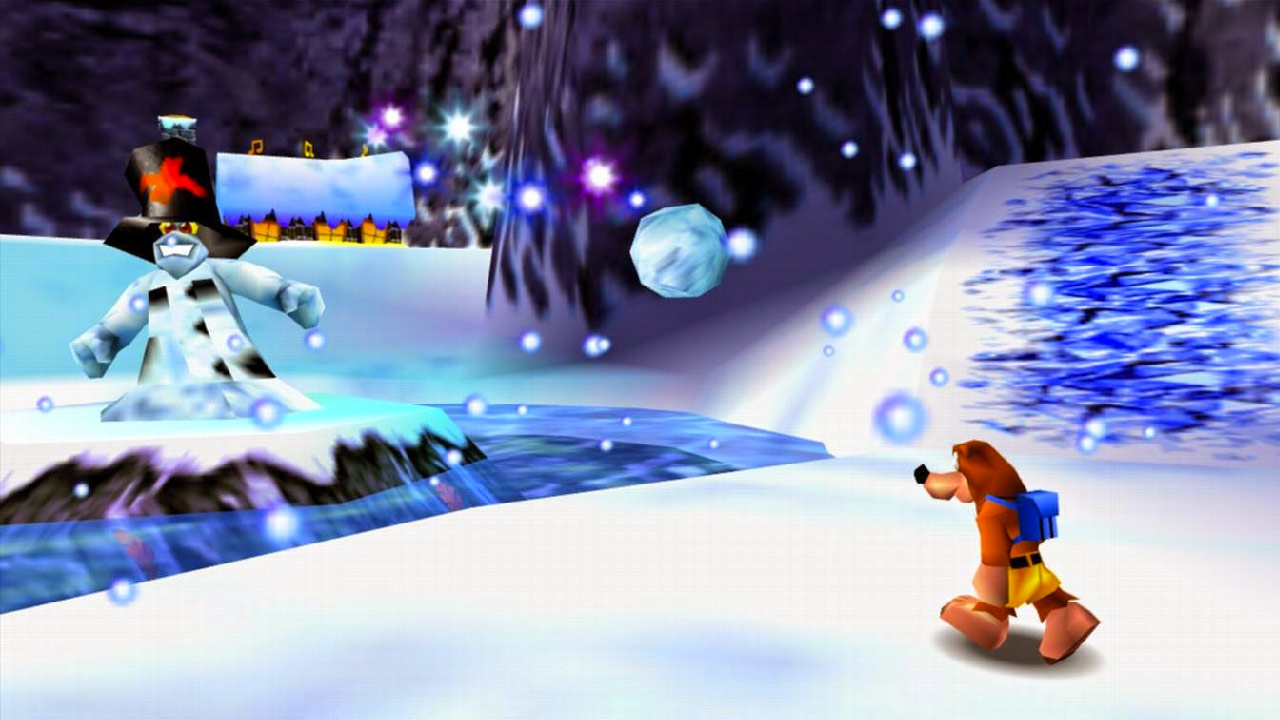
Banjo-Kazooie (1998): Rare took the Mario 64 template, added a wisecracking bird in a backpack, and produced a collect-a-thon so charming it’s impossible to dislike. The worlds are dense and varied, the humour is genuinely funny (in a very British, fourth-wall-breaking way), and Grant Kirkhope’s soundtrack is one of the all-time greats. Better than Mario 64 in some respects, which is saying something.

Banjo-Tooie (2000): Bigger, more ambitious, and significantly more complex than the original. The interconnected worlds were ahead of their time, though the backtracking could be exhausting. A brilliant sequel that occasionally forgot that “more” isn’t always “better,” but the highs, Witchyworld, the FPS transformation, Canary Mary… are magnificent.

Donkey Kong 64 (1999): Rare’s maximalist collect-a-thon where five playable Kongs each had their own colour-coded bananas, coins, and blueprints. It’s either a staggering achievement or an elaborate prank depending on your tolerance for backtracking. The DK Rap alone secures its place in history, for better or worse.
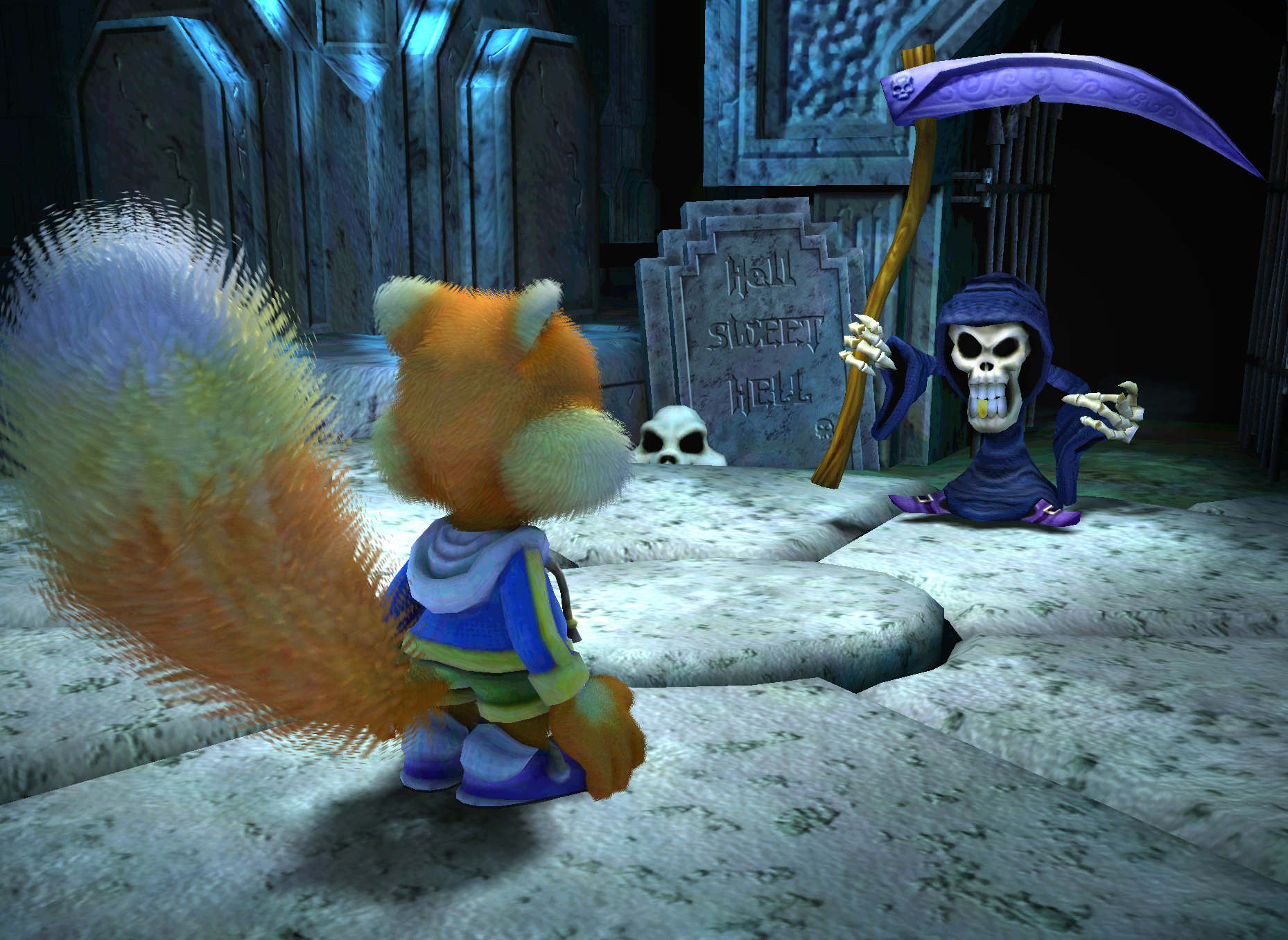
Conker’s Bad Fur Day (2001): A foul-mouthed, blood-soaked, surprisingly brilliant platformer that parodied everything from Saving Private Ryan to The Matrix. Definitely not one for children, but the level design, voice acting, and sheer audacity of the thing make it one of the most memorable games on the system. The Great Mighty Poo boss fight is… well, you either know or you don’t.

Kirby 64: The Crystal Shards (2000): A gentler, 2.5D affair that let you combine copy abilities in genuinely creative ways. Fridge plus spark equals a walking refrigerator that shoots lightning. Quieter than the big hitters but polished, inventive, and endlessly replayable.
Shooters & Action
The N64 controller had no business being good for shooters, and yet this console produced two of the most important FPS games ever made. The C-buttons were doing a job the second analogue stick hadn’t been invented for yet, and somehow it worked.
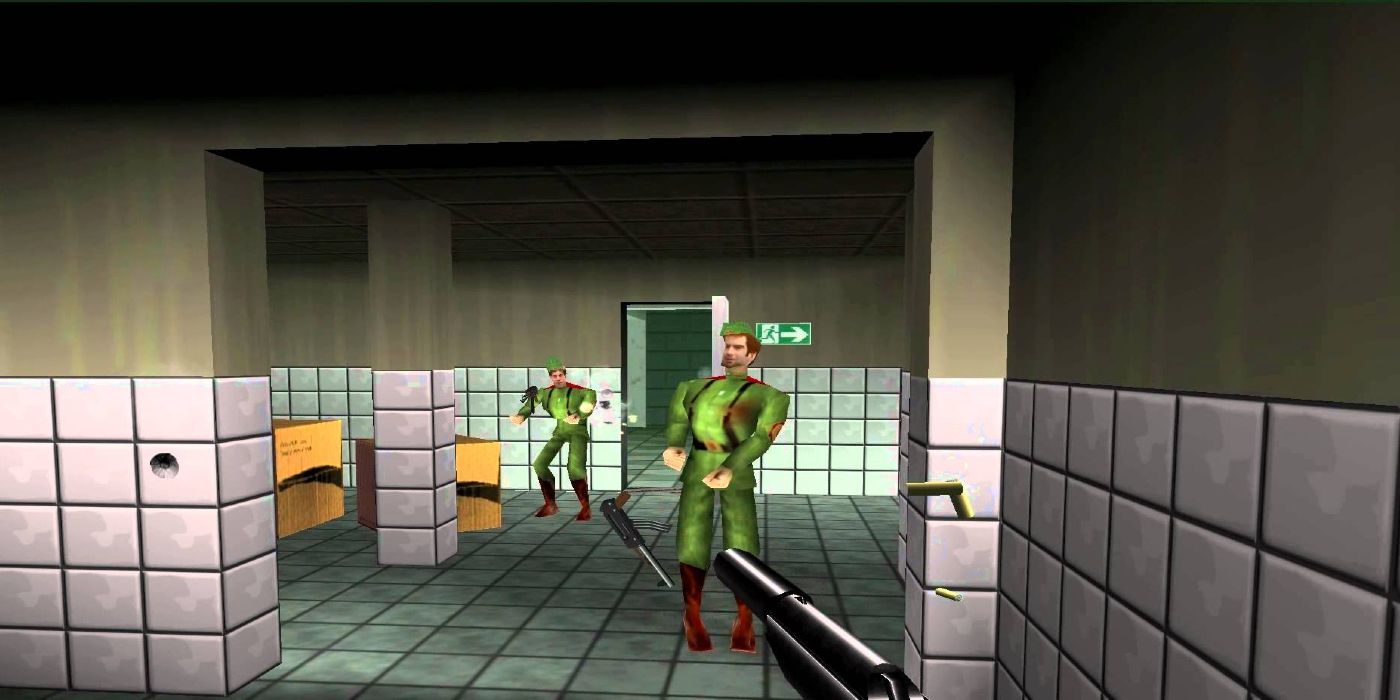
GoldenEye 007 (1997): The game that proved console FPS could rival PC, and the game that ended more friendships than any other in the N64 library. The single-player campaign was superb – varied, replayable, with difficulty levels that added objectives rather than just bullet sponges, but the four-player splitscreen deathmatch was epoch-defining. Facility, no Oddjob, proximity mines. If you know, you know. Licence to kill mode with pistols only was the gentleman’s agreement. Nobody ever honoured it.

Perfect Dark (2000): Rare’s spiritual successor to GoldenEye was better in almost every measurable way: more weapons, more modes, bots for multiplayer, a counter-operative mode, and a campaign that dripped with Rare’s trademark personality. The frame rate was heroic at best, catastrophic at worst, but the ambition was staggering. The Laptop Gun (throw it on a ceiling, it becomes a sentry turret) remains one of the cleverest weapons in FPS history.

Star Fox 64 (1997): Known as Lylat Wars in PAL regions due to trademark issues, and one of the tightest rail shooters ever made. Branching paths gave it enormous replay value, the Rumble Pak support was a genuine novelty, and the voice acting (“Do a barrel roll!”) has lodged itself permanently in gaming culture. All-range mode battles against Star Wolf were breathtaking.

Turok: Dinosaur Hunter (1997): Acclaim’s fog-drenched shooter was one of the first games to prove the N64 could handle serious action. The Cerebral Bore remains one of gaming’s most horrifying weapons. The sequel, Turok 2: Seeds of Evil, was even better, the Oblivion Portals and that extraordinary opening level in the Port of Adia set a high bar.
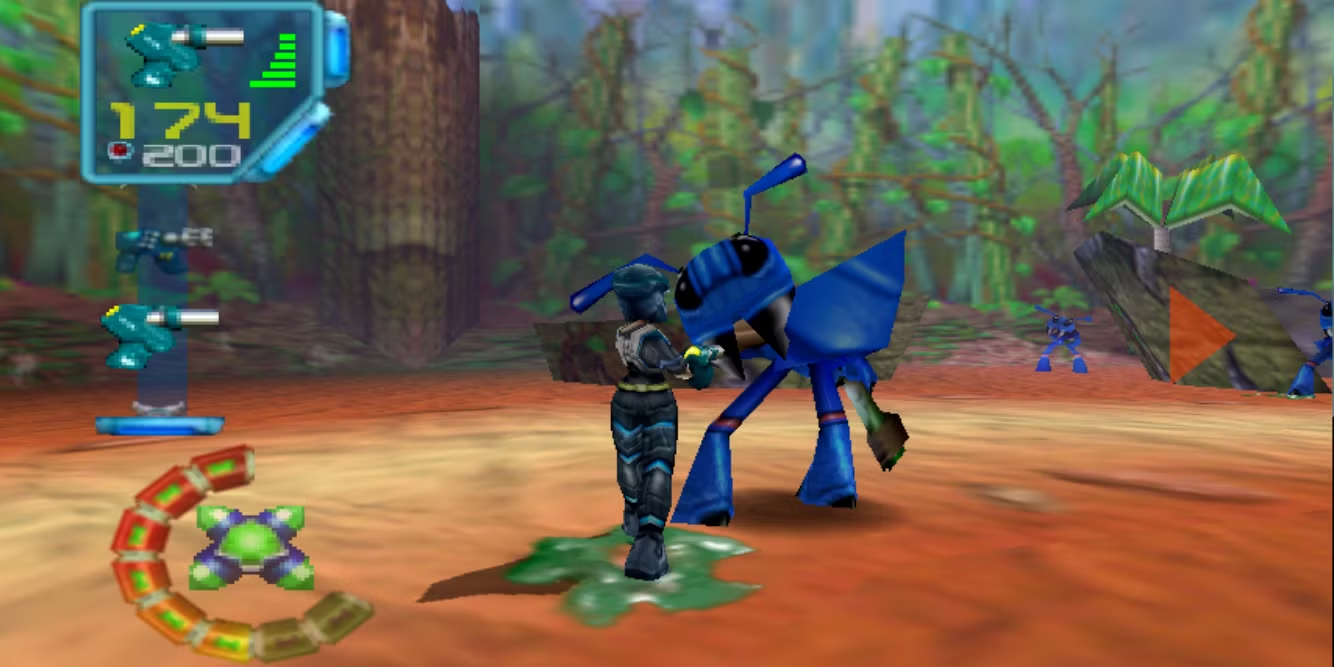
Jet Force Gemini (1999): Rare’s third-person shooter with co-op, insectoid enemies, and a surprisingly dark tone for a game starring cartoon characters. Criminally overlooked at the time, probably because the Tribals-rescue requirement for the final level was controller-snappingly frustrating. Everything before that, though, was superb.
Adventure & RPGs
The N64 was cartridge-based in a CD-ROM era, which meant RPGs were scarce — you couldn’t fit a 40-hour JRPG with FMV cutscenes onto 32MB of ROM. But what did arrive was extraordinary, and the adventure games were generation-defining.

The Legend of Zelda: Ocarina of Time (1998): The greatest game ever made. I know that’s a bold claim, and I know people love to debate it, but Ocarina of Time earned that reputation through sheer craft. The transition from child Link to adult Link, the first time you step onto Hyrule Field, the Water Temple (yes, even the Water Temple), the final battle against Ganondorf, every element was so precisely calibrated that it felt less like a game and more like a landmark. It changed everything.

The Legend of Zelda: Majora’s Mask (2000): Darker, weirder, and more emotionally complex than Ocarina, built on a three-day time loop that created a sense of dread no Zelda game has matched since. The transformation masks, the doomed town of Clock Town, that moon… it’s not better than Ocarina, but it might be braver. Required the Expansion Pack, which was an annoying additional purchase, but absolutely worth it.
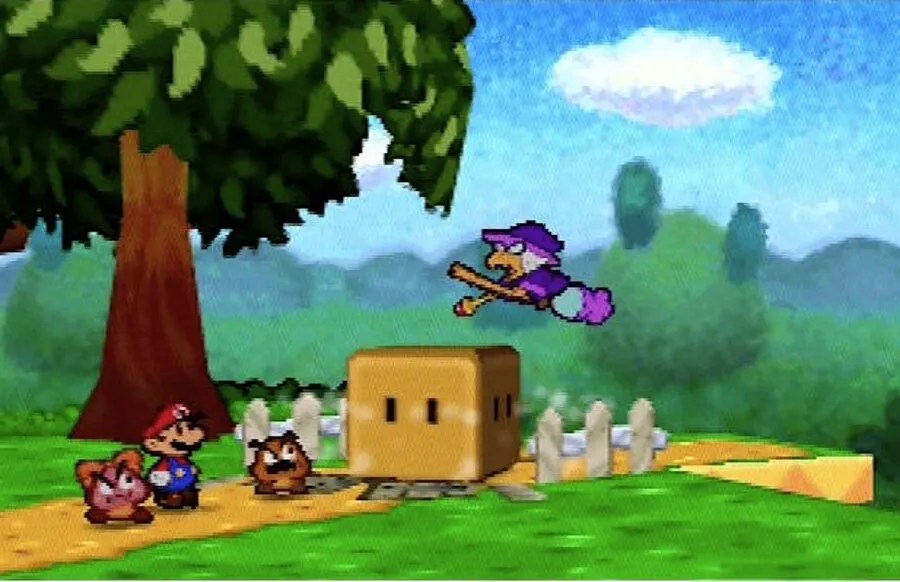
Paper Mario (2000/2001 PAL): The spiritual successor to Super Mario RPG, with a gorgeous papercraft art style and a combat system that balanced accessibility with depth. The chapter structure kept the pacing tight, the writing was genuinely witty, and the partner characters each brought something mechanically interesting. A perfect entry point for younger RPG players.

Ogre Battle 64: Person of Lordly Caliber (1999): A deep, tactical RPG with branching storylines, army management, and a morality system that actually mattered. It was niche even at release and commands absurd prices now, but it’s one of the finest strategy RPGs of the era. Never released in PAL regions, unfortunately.

Harvest Moon 64 (1999): The farming sim that launched a thousand imitators (including, eventually, Stardew Valley). Marrying the village girls, growing turnips, raising livestock, it was gentle, addictive, and surprisingly deep. Another one the PAL regions missed out on.
Racing & Sports
The N64 was a powerhouse for racing games. Something about the hardware; maybe the analogue stick, maybe the consistent frame rates from cartridge loading, made them sing.

Mario Kart 64 (1996/1997 PAL): Four-player split screen Mario Kart. That’s the entire pitch, and it was enough to sell millions. The tracks were iconic (Royal Raceway, Toad’s Turnpike, Rainbow Road), the blue shell was already ruining friendships, and Battle Mode on Block Fort was arguably better than the racing itself. It’s been surpassed since, but it was magical at the time.

F-Zero X (1998): Thirty vehicles, a locked 60fps, and courses that twisted, looped, and plunged with stomach-churning abandon. The track design was extraordinary, half-pipes, cylinders, jumps into the void, and the sense of speed was unmatched on the system. The X Cup generated random tracks, which was a revelation. Brutally difficult and utterly exhilarating.

Wave Race 64 (1996): Water physics that still look impressive today, a gorgeous day-to-night lighting cycle, and handling that rewarded mastery like few racing games before or since. It was a launch-window title and it was showing off what the hardware could do, but it backed up the spectacle with genuinely deep racing mechanics. The mist on Sunset Bay is seared into my memory.
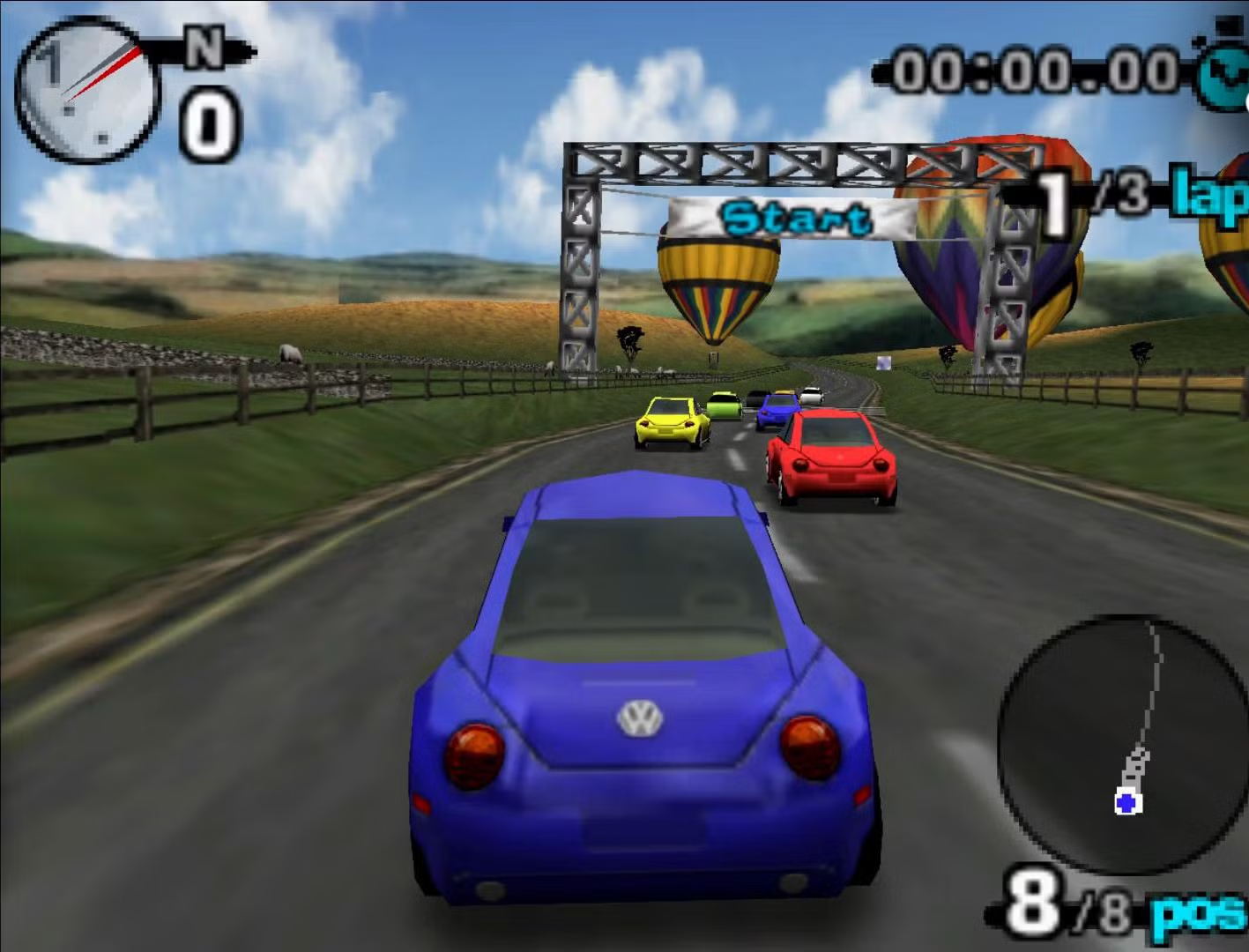
Beetle Adventure Racing (1999): A game nobody expected to be good that turned out to be absolutely brilliant. Massive, shortcut-laden tracks, a surprisingly robust battle mode, and all of it wrapped in a Volkswagen Beetle licence that somehow worked. One of the best hidden gems in the entire library.

Diddy Kong Racing (1997): Rare’s answer to Mario Kart added an adventure mode, boss races, and three vehicle types (kart, hovercraft, plane). The single-player was substantially better than Mario Kart 64’s, and the Silver Coin challenges added genuine longevity. David Wise’s soundtrack was, predictably, outstanding.

1080 Snowboarding (1998): Nintendo’s snowboarding sim hit a sweet spot between arcade fun and technical depth. The trick system was satisfying, the course design was varied, and the two-player mode was a genuine time-sink. Criminally forgotten compared to its contemporaries.

ISS 64 / International Superstar Soccer 98 (1997/1998): Before Pro Evolution Soccer, before Konami became complicated, ISS on the N64 was the finest football game available on any platform. The passing was crisp, the AI was intelligent, and four-player matches were pandemonium. ISS 98 refined the formula further and remains a high point for the series.
The Multiplayer Legends
The N64 had four controller ports built in. Four. At a time when multiplayer meant buying a multitap, Nintendo just put them on the front of the console. That single design decision shaped an entire generation of local multiplayer gaming.

Super Smash Bros. (1999): The crossover fighting game that shouldn’t have worked but became one of Nintendo’s biggest franchises. Twelve characters, nine stages, and a control scheme so accessible that anyone could pick it up within minutes. It was rough compared to Melee and everything that followed, but the concept, Mario punching Pikachu off a floating platform, was irresistible. The sequels are better games. This was the better moment.

Mario Party 1, 2 & 3 (1998-2001): The board game series that destroyed palms (literally… the analogue stick rotation mini-games in Mario Party 1 caused actual blisters) and friendships in equal measure. Mario Party 2 is the best of the three, with tighter mini-games and less reliance on pure chance, though the star-stealing mechanics in all three games remain some of the most psychologically violent moments in Nintendo’s history.

WrestleMania 2000 / No Mercy (1999/2000): AKI Corporation’s wrestling games were, and I will die on this hill, the best wrestling games ever made. The grappling system was intuitive and deep, the create-a-wrestler mode was absurdly detailed, and the single-player career in No Mercy had branching storylines. No Mercy suffered from a save-erasing bug in early copies, which was less ideal.
Hidden Gems & Cult Classics
The N64’s library is top-heavy, everyone knows the big hitters. But dig a little deeper and there’s a seam of overlooked games that deserve far more attention than they ever received.

Blast Corps (1997): Rare’s demolition puzzler where you cleared a path for a runaway nuclear missile carrier by smashing buildings with a variety of vehicles. It was bizarre, frantic, and immensely satisfying. The later levels were fiendishly difficult, and finding all the scientists was a completionist’s nightmare, but the core loop of “drive thing into building, building explodes” never got old.

Mischief Makers (1997): Treasure’s 2D side-scrolling action game on a console defined by 3D. The “grab, shake, throw” mechanic was unique, the boss fights were spectacular, and the whole thing had a manic energy that nothing else on the N64 matched. It was dismissed at launch for being 2D, which, in hindsight, was absurd.

Sin and Punishment (2000): Treasure’s rail shooter was Japan-only at retail, but it became a cult classic through imports and eventually a Virtual Console release. Fast, furious, and mechanically brilliant, the scoring system rewarded aggressive play in a way that made every run feel different.
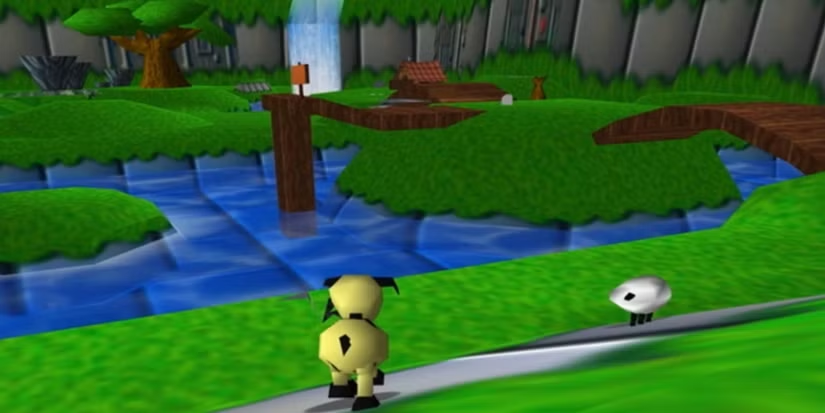
Space Station Silicon Valley (1998): DMA Design’s (pre-Grand Theft Auto Rockstar) puzzle-platformer where you inhabited robotic animals to solve environmental puzzles. A fox that breathes fire, a dog on wheels, a bear that bounces, it was wonderfully creative and deeply under-appreciated. A game-breaking bug prevented 100% completion, which was unfortunate.

Goemon’s Great Adventure (1999): Konami’s side-scrolling action game set in feudal Japan with robots, laugh tracks, and a giant transforming mech. Two-player co-op, tight platforming, and a tone that veered between charming and completely unhinged. The Mystical Ninja series never found its audience in the West, which is a genuine shame.
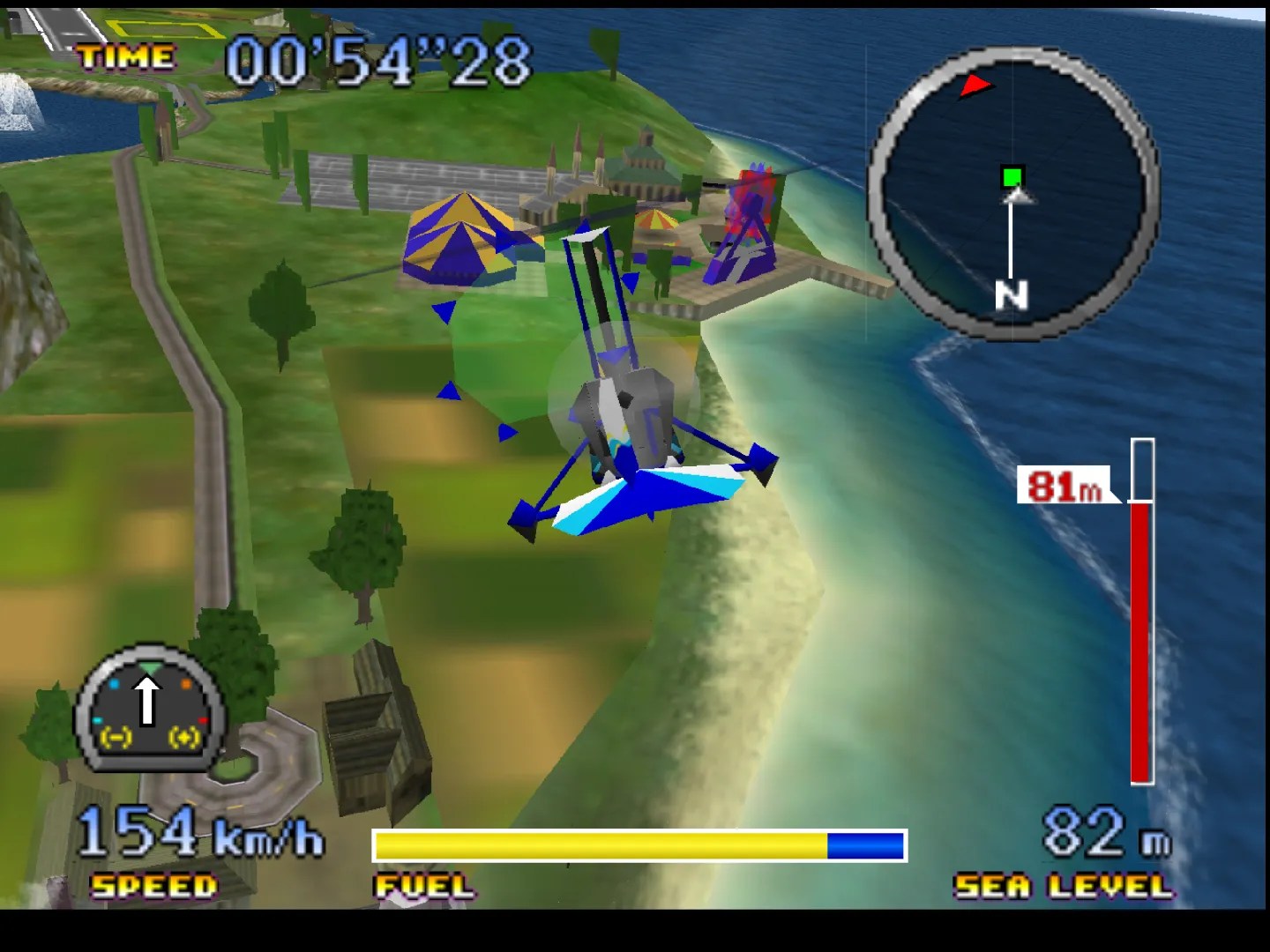
Pilotwings 64 (1996): A launch title that used its flight sim mechanics to show off the console’s 3D capabilities. Hang-gliding, rocketbelting, and gyrocoptering across a miniature version of the United States, with birdman mode unlockable for the dedicated. It was serene, beautiful, and surprisingly challenging, the kind of game you’d put on just to relax, until the gyrocopter missions made you swear at the television.
The N64 library is lean compared to its competitors, but pound for pound it might be the strongest first-party lineup any console has ever produced. If you grew up with it, these games aren’t just nostalgia, they’re the foundation of everything modern gaming became. And if you’re discovering them for the first time through the Switch Online Expansion Pack or emulation, you’re in for a treat… even if the controller takes some getting used to. For more retro deep-dives, including the best SNES JRPGs of all time, the retro section has you covered.
Frequently Asked Questions
What is the best N64 game of all time?
The Legend of Zelda: Ocarina of Time is the most critically acclaimed and widely regarded as the best N64 game ever made. Super Mario 64 and GoldenEye 007 are the other two games that consistently compete for the top spot, depending on whether you value innovation, adventure, or multiplayer.
How many N64 games were released?
Approximately 388 games were released for the N64 worldwide, with around 243 making it to North America and roughly 242 released in PAL regions. The cartridge format and higher development costs meant the library was significantly smaller than the PlayStation’s, but the average quality was remarkably high.
Can I play N64 games on Nintendo Switch?
Yes. Nintendo Switch Online + Expansion Pack includes a growing library of N64 games, including Super Mario 64, Ocarina of Time, Majora’s Mask, Mario Kart 64, Star Fox 64, Banjo-Kazooie, GoldenEye 007, and Perfect Dark. The emulation quality varies but is generally good, and online multiplayer has been added to several titles.
Why did the N64 use cartridges instead of CDs?
Nintendo chose cartridges for faster load times, durability, and anti-piracy benefits. The trade-off was significantly less storage space (up to 64MB versus a CD’s 700MB), higher manufacturing costs, and the loss of several major third-party developers — most notably Square, who took Final Fantasy VII to PlayStation. It was a decision that cost Nintendo the generation but produced a more consistent library.
What is the rarest N64 game?
The rarest commercially released N64 games include Sculptor’s Cut (a ClayFighter 63 1/3 Blockbuster exclusive), Stunt Racer 64, and the PAL version of Snowboard Kids 2. Complete-in-box copies of these can fetch over a thousand pounds. Worms Armageddon and Ogre Battle 64 are also notably expensive and difficult to find.
What was the N64’s best multiplayer game?
GoldenEye 007 is the iconic answer, and for good reason — four-player splitscreen deathmatch defined a generation. But Super Smash Bros., Mario Kart 64, and Mario Party 2 all have legitimate claims. Perfect Dark improved on GoldenEye’s multiplayer in almost every way, though it required the Expansion Pak for the full experience.
Did the N64 have any good RPGs?
The N64’s RPG library was thin compared to the PlayStation’s, but what it had was excellent. Paper Mario is the standout, with Ogre Battle 64 and Harvest Moon 64 also highly regarded. The Legend of Zelda games, while technically action-adventures, scratched a similar itch. The cartridge format’s storage limitations meant most JRPG developers went elsewhere, which is the console’s biggest library gap.
The post Best N64 Games Ever Made: Complete Ranked List appeared first on Gaming Debugged | Gaming Site Covering Xbox, Indies, News, Features and Gaming Tech.
- Security Camera Installation – indoor/outdoor IP CCTV systems & video analytics
- Access Control Installation – key card, fob, biometric & cloud‑based door entry
- Business Security Systems – integrated alarms, surveillance & access control
- Structured Cabling Services – voice, data & fiber infrastructure for new or existing builds
- Video Monitoring Services – 24/7 remote surveillance and analytics monitoring
Author: 360 Technology Group