

US physical game sales dropped to their lowest since 1995, while Meta expands its gaming footprint and Makers Fund raises $250 million for startups.
In a significant downturn for the US gaming industry, physical game sales have reached their lowest level since tracking began in 1995. During July, only $85 million was generated from physical software sales, according to GamesIndustry.biz. This sharp decline underscores a broader trend reported by Game World Observer, which noted an overall dip in the American gaming market, with consumers cutting back on spending across video games, consoles, and related hardware.
The drop in physical sales may reflect ongoing shifts in consumer preferences towards digital formats and potentially the result of economic pressures influencing discretionary spending. Industry insiders and analysts, like Circana’s Mat Piscatella, suggest these trends could continue unless there is a significant change in consumer confidence or economic conditions.
Meta and Makers Fund Make Industry Moves
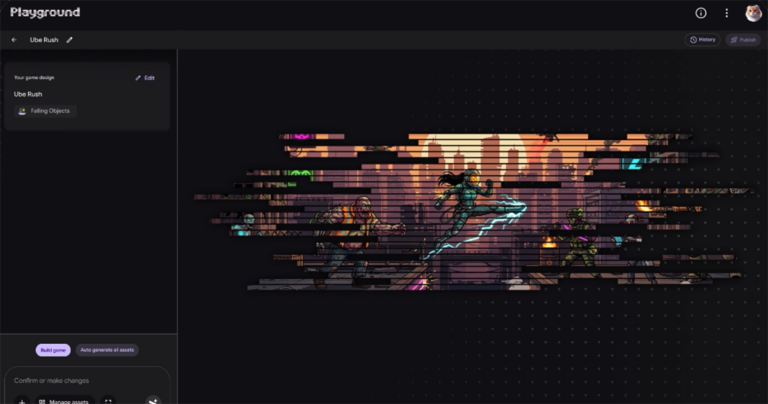
While the consumer market may be cooling, development and investment in gaming innovation remain active. Meta is broadening its experimental app, Pocket, to the U.S. audience. As reported by TechCrunch, Pocket is an AI-powered platform designed to enable users to create and share interactive games, potentially fostering grassroots game development and user-generated content. Initially tested in Brazil, its expansion to the U.S. represents Meta’s interest in further embedding itself within the gaming ecosystem.
In parallel, Makers Fund, a venture capital firm focused on the interactive entertainment sector, announced the closure of a $250 million funding round. This latest injection increases their total managed assets to $1.5 billion. GamesIndustry.biz and Game Developer both report that Makers plans to support startups and emerging companies in the games sector, signaling optimism and ongoing energy in nurturing the next wave of gaming enterprises.
Shaping the Future Workplace
As the industry navigates these market fluctuations, attention is also being paid to internal dynamics. The upcoming GamesIndustry.biz HR Summit is placing a notable emphasis on “People and Workplaces,” set to occur on October 1, aiming to address issues pertinent to modernising work environments in the gaming industry. GamesIndustry.biz reports that the event will focus on equipping HR and business leaders with insights to adapt to ongoing changes within the industry.
Godot Gains Traction
Finally, in the realm of game development technology, the open-source engine Godot is gaining popularity. Game Developer highlights that its “lightweight” and accessible features are a significant draw for developers, indicating a shift in engine preferences that could influence development platforms’ dynamics in the coming years.