
Multiple indie horror games, including BLACKOUT and LUCID, release beta demos this week, each offering unique psychological and cooperative gameplay experiences.
This week’s indie gaming scene is dominated by a selection of new horror titles, each exploring different facets of the genre through intriguing gameplay mechanics. Beta demos have been released for several promising games, with developers taking unique approaches to storytelling and multiplayer interaction.
Horror Demos Abound: BLACKOUT and LUCID
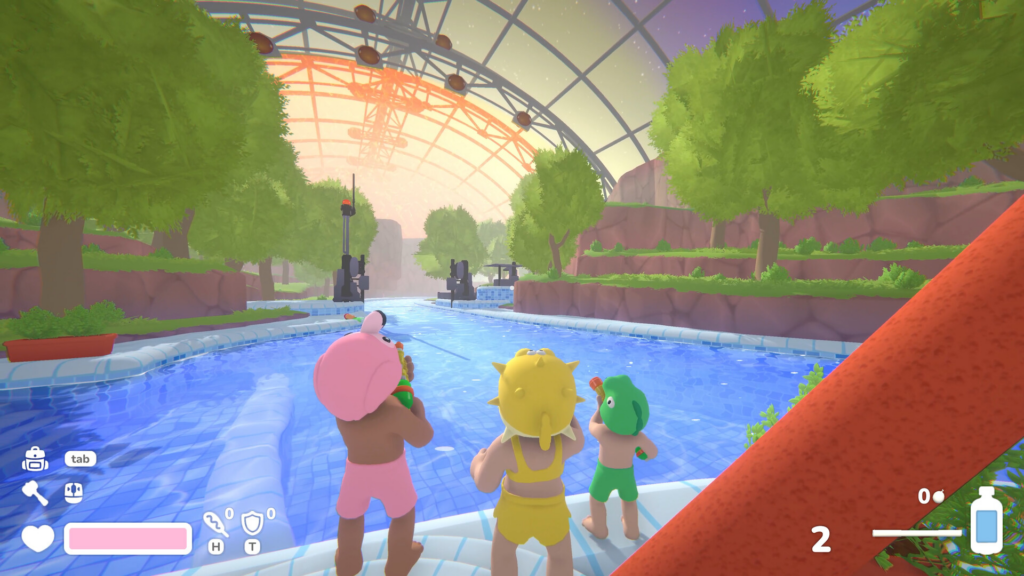
BLACKOUT presents a cooperative multiplayer horror experience where teamwork is paramount. Unlike traditional horror games, BLACKOUT introduces roguelite elements and requires players to operate in squads to gather samples from a deadly planetary anomaly. The game emphasizes communication through proximity voice chat and other interactive features, aiming to heighten the tension and increase dependency on strategy and coordination within player squads.
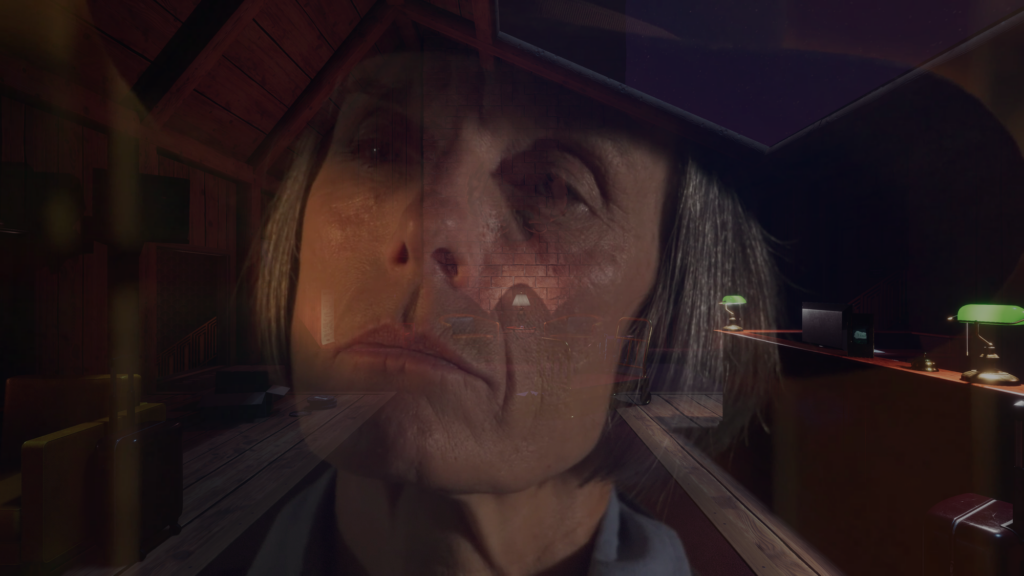
Meanwhile, LUCID offers a single-player experience rooted in psychological horror. Players navigate through liminal spaces that morph with each exploration, relying on environmental storytelling to piece together the narrative. The lack of explicit dialogue underscores the emphasis on atmosphere, as players interpret clues presented in a surreal landscape.
Both BLACKOUT and LUCID highlight a shift in indie horror games towards more immersive, narrative-driven experiences that call for active player imagination and engagement.
Other Notable Releases: Rock Band Simulator and Please, Tell Me Why?
Apart from the horror titles, Rock Band Simulator and Please, Tell Me Why? also released beta demos, showcasing diversity in indie game themes. Rock Band Simulator takes a humorous approach, placing players in the shoes of a rock band juggling personal chaos and career challenges in a 1990s setting. By integrating rhythm-based gameplay with life simulation elements, the game aims to capture the frenetic energy of band life.
On the other hand, Please, Tell Me Why? delves into psychological horror with a narrative focusing on identity and isolation. Players inhabit a seemingly solitary existence that gradually unravels, revealing deeper truths concealed within personal memories and eerie atmospheres. The game’s emphasis on identity and memory plays into broader themes prevalent in contemporary indie horror.
Development Insights: Byzen’s Naval Exploration
Indie developer Byzen has released a new development log detailing its upcoming project’s naval layer. This entry provides insight into the game’s intricate environmental mechanics, including self-dredging terrains and innovative sailing technologies. Developers continue to offer players a richly interactive world where exploration and discovery are central to gameplay.
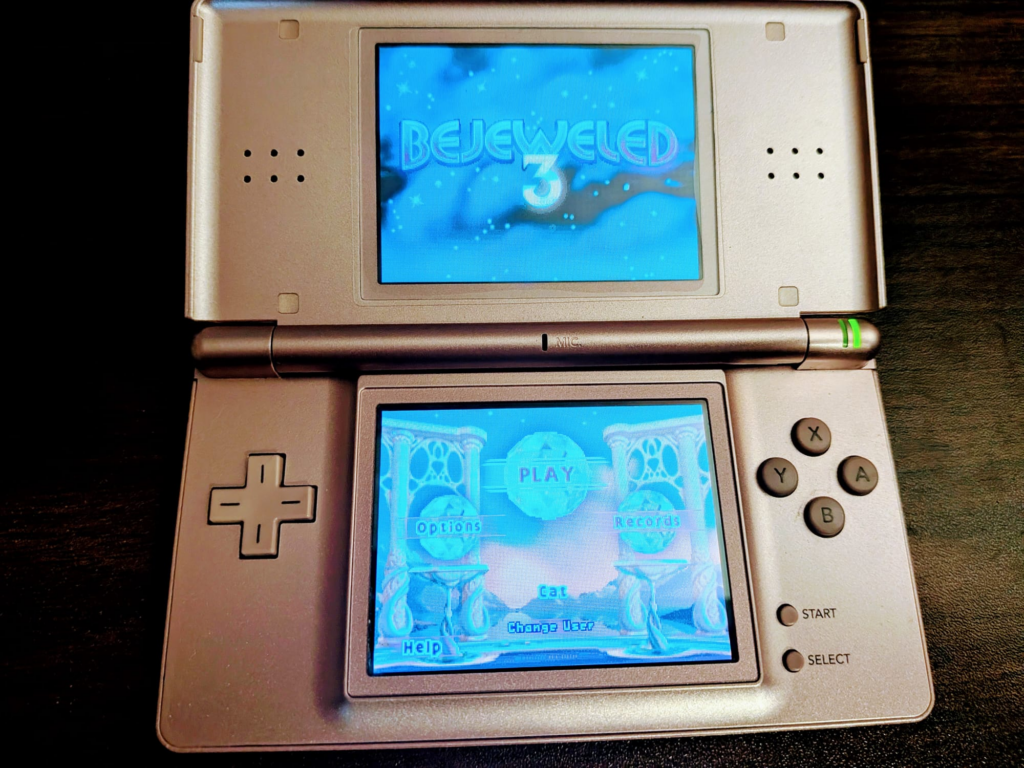
Finally, Superjump Magazine’s feature on the Nintendo DS Lite offers a nostalgic look back at the handheld’s peak and the lasting impact it had on personal and collective gaming experiences, although this column predominantly serves as a reflective piece not directly tied to current indie developments.
Overall, these new releases and insights highlight the vibrancy of the indie game scene, particularly in horror, where developers are pushing conceptual boundaries and redefining player interaction.