

AMD joins Nvidia in hiking GPU prices as the RAM crisis continues, affecting gamers' wallets globally.
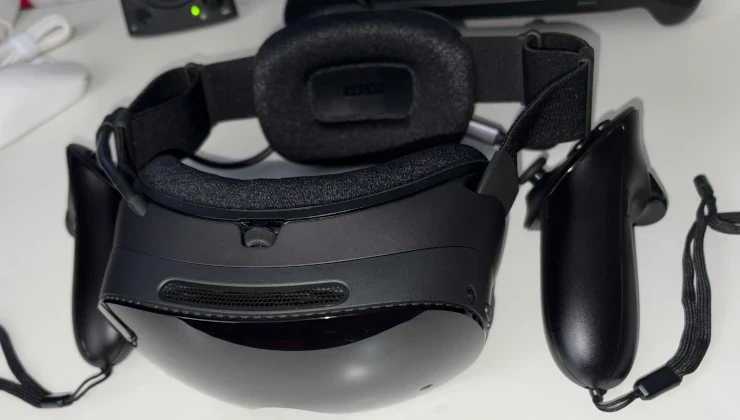
This week in PC gaming news, the ongoing RAM shortage continues to impact the market significantly, with AMD now reportedly matching Nvidia in raising prices for their graphics cards. According to Rock Paper Shotgun, the shortages, driven by increased demand in AI sectors among other factors, have left gamers grappling with higher costs for essential hardware. This comes as no surprise following Nvidia’s earlier price hikes, marking a challenging period for consumers looking to upgrade or build new PCs.
In terms of game updates and community engagement, a few titles are making waves with new content and player feedback response. PCGamesN reports that “Dead by Daylight” is improving its Survivor chat wheel based on community feedback, enhancing communication among players who are evading the realm’s killers. Meanwhile, “Slay the Spire 2” is experiencing a slowdown in its update schedule, but significant new content, including a new character and a fresh act, is promised soon, continuing its evolving journey in early access.
“Stalker 2” developers at GSC Game World are preparing a substantial 2.0 patch to tackle existing issues, delivering an atmosphere-focused experience with the upcoming “Back to the Zone” expansion. This update aims to address various bugs while enhancing the game’s overall mood, as reported by PC Gamer. Also, another immersive experience is being crafted with “Hell Let Loose: Vietnam”, which shifts its battleground to jungles, offering a distinct and chaotic war simulation.
On a more nostalgic note, “Old School RuneScape” is celebrating ongoing successes. As per PC Gamer, the classic MMORPG is thriving with record subscriber numbers, demonstrating the enduring appeal of this retro offering.
There are certainly enough stories and upcoming content to keep gamers engaged during the slower summer period, but the hardware price situation remains a sore point as enthusiasts await a resolution to the RAM-induced hike.