
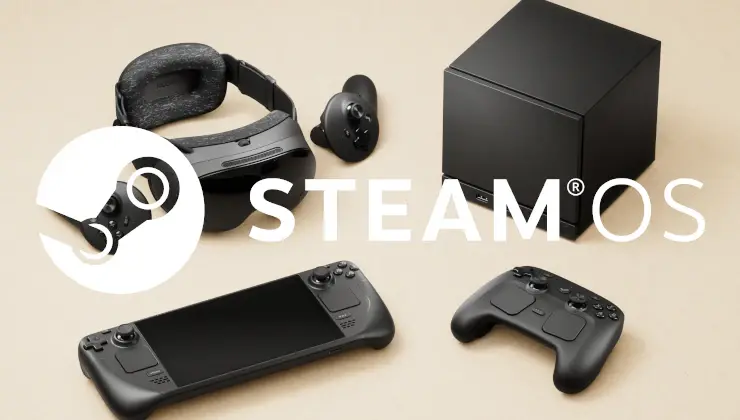
Valve releases SteamOS 3.8.28 with major improvements for Steam Deck and broader hardware support, marking another step in optimizing PC gaming on varied devices.
Today’s PC gaming news sees a mix of significant updates and a glimpse into evolving games and studio challenges. Key among these is Valve’s release of SteamOS 3.8.28, a major update for Steam Deck and similar devices, indicating continued efforts to optimize Linux-based gaming platforms.
SteamOS 3.8.28 Enhancements
Valve has rolled out SteamOS 3.8.28 as a stable update, which introduces a range of improvements specifically targeting the Steam Deck and Steam Machine users. The update, reported by GamingOnLinux, expands hardware support, enhancing the overall gaming experience on these platforms. As Valve continues to polish its gaming ecosystem, this release underscores the firm’s commitment to developing a robust environment for gaming on portable and Linux-based devices, making them more viable alternatives in the gaming hardware market.
Game Updates and New Content
On the gaming front, Dune: Awakening has transitioned significantly from being solely an MMO to offering a full single-player mode with its version 1.5 update. This update allows players more customization and options for individual gameplay, potentially broadening its appeal to fans of the Dune universe who prefer solo experiences.
Hytale is also in the spotlight with its upcoming Chapter 1 update, slated for October 12. This update introduces the first handcrafted dungeon and boss fight, marking a pivotal expansion in its early access phase. Meanwhile, Project Zomboid continues to refine its newly launched build 42 with an unstable patch aimed at resolving the vanishing zombie hordes among other issues, highlighting the game’s ongoing development and dedication to ironing out bugs.
Industry Challenges
Elsewhere in the industry, Microsoft is facing scrutiny regarding its handling of acquired game studios. An analysis by RockPaperShotgun criticizes Microsoft’s inability to effectively integrate Ninja Theory into its plans. This misstep represents a broader concern about Microsoft’s strategy post-acquisition, where integration and clear directions remain murky, affecting the creative output and stability of its acquired developers. This issue is paired with an underlying industry-wide concern about reliance on risk-averse development models, potentially stifling innovation.
While these updates and analyses offer insights into the growth and challenges within the PC gaming domain, they underscore the resilience and adaptability of developers in optimizing platforms and enhancing game experiences. As both hardware capabilities and game narratives evolve, it remains crucial for both long-time and new entrants in the market to navigate these shifts strategically.