

Ubisoft announces German workforce reduction and grapples with employee pushback over hybrid work schedules in Montreal.
While the gaming industry continues to evolve, Ubisoft finds itself at the forefront of significant operational challenges. The company is preparing to reduce its workforce in Germany while simultaneously managing employee concerns in Canada. Meanwhile, other tech giants, including Epic Games and Google, are pushing ahead with ambitious new projects.
Ubisoft’s Workforce Dilemmas
Ubisoft has announced plans to downsize its German operations, impacting approximately 100 employees across its Düsseldorf, Berlin, and Mainz offices. This reduction is part of a voluntary departure plan, highlighting ongoing struggles within the company to maintain cost efficiency amid the evolving gaming landscape. This move will undoubtedly affect both the local gaming job market and Ubisoft’s capacity to manage projects coming out of these key European hubs.
Meanwhile, in North America, Ubisoft Montreal employees are rallying to preserve their hybrid working conditions. A petition marks the beginning of collective action that underscores the increasing importance of flexible work arrangements in the tech industry. As companies shift back to pre-pandemic operations, workplace flexibility has become a sticking point that can influence employee satisfaction and retention, posing questions about how Ubisoft will navigate these dual challenges on both sides of the Atlantic.
Tech Giants Forge Ahead
In parallel to these structural adjustments at Ubisoft, other tech giants are focused on innovation. Epic Games is testing a new beta version of its launcher, boasting speeds 46% faster than Steam from a cold start to reaching the store page. This development challenge could intensify the already fierce competition in the digital distribution space, with potential implications for user experience and market share dynamics.
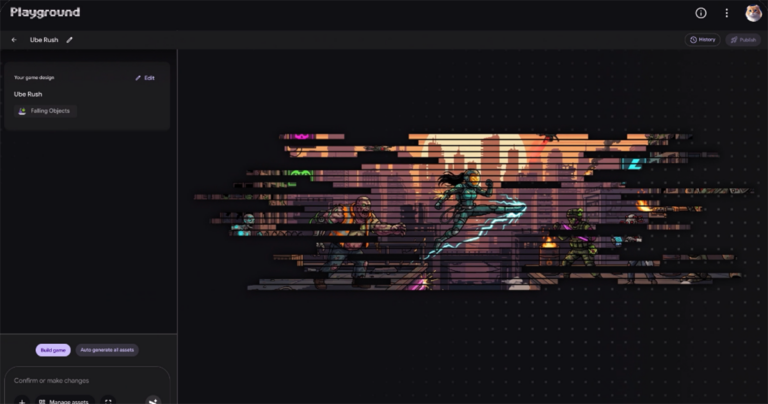
Meanwhile, Google is expanding its gaming ambitions with the introduction of ‘Google Playground’, an experimental platform for AI-generated games, signaling the tech giant’s interest in AI integration and content creation in gaming. While still in its experimental phase, this project highlights the growing interest in AI’s potential to transform gaming experiences.
Legal Battles and Economic Successes
The Apple-Epic Games legal battle continues to evolve, with Apple seeking to overturn restrictions on its ability to charge commission on in-app purchases conducted outside of its App Store. This ongoing legal saga could have broad implications for app developers and the future structure of app-based ecosystems.
On a brighter note, the Gothic 1 Remake by Alkimia Interactive is nearing profitability, according to a financial report from Embracer Group. The remake’s success in recouping its development costs bodes well for the studio and stands out in a market often dominated by new IPs or major franchises.
Finally, Bit Reactor, the developer behind Star Wars Zero Company, has started to reinstate furloughed staff. This move indicates a pivot toward stability as the company presumably prepares for ongoing or upcoming projects.