

Following the bankruptcy of Samson developer Liquid Swords, its founder hints at AI's potential role in his new studio.
Today’s PC gaming news brings a blend of industry shifts, sequels, and debates over AI’s increasing role in game development.
Liquid Swords’ Closure and AI Implications
The unexpected closure of Liquid Swords, the Swedish studio founded by ex-Just Cause developer Christofer Sundberg, has sent ripples through the gaming community. According to a Rock Paper Shotgun report, the studio has declared bankruptcy less than a year after the release of their debut game. While this closure marks a significant setback, Sundberg is already contemplating his next move, considering how artificial intelligence (AI) could play a role in future projects.
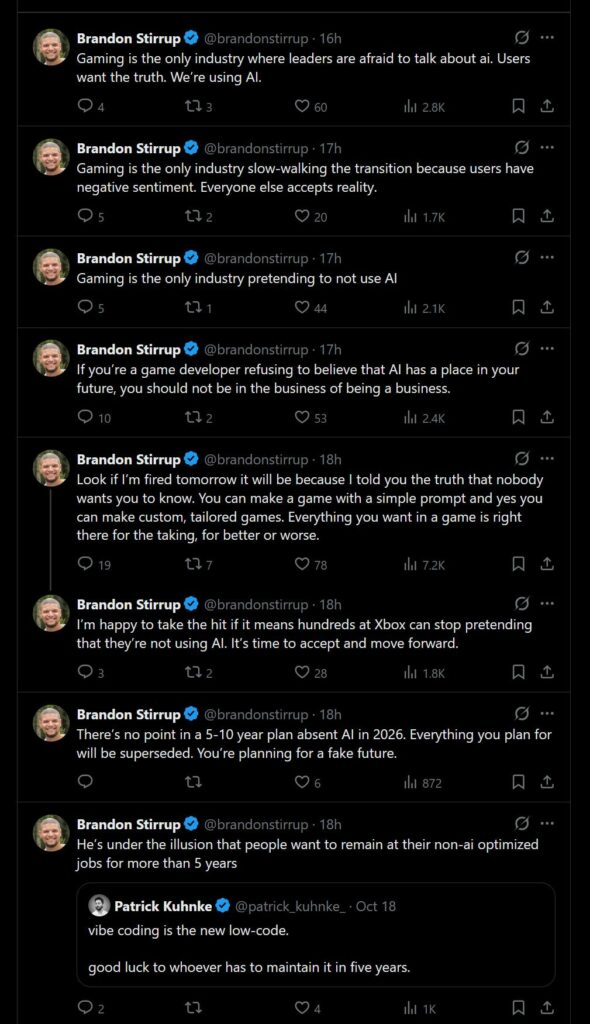
This consideration of AI isn’t just limited to Sundberg’s future plans. PCGamesN reports that the current Steam Next Fest is heavily influenced by games utilizing generative AI. This growing trend in the industry is underscored by tools being developed to help users navigate the massive influx of AI-driven content.
Paradoxical Use of AI in Political Game “Future? No Thanks!”
Adding to the discourse around AI in gaming, developer Paulo “Molleindustria” Pedercini has stirred conversation through his use of AI in the politically satirical game “Future? No Thanks!“. Although Pedercini is vocally critical of AI technologies, he disclosed that they were used minimally to address and resolve coding issues towards the tail end of development. His ambivalent stance reflects the broader complexity of AI’s integration into creative endeavours, where it is simultaneously critiqued and utilized.
Upcoming Titles and Industry Trends
Gamers can look forward to the release of “Theatre of War: Rearmed” on December 9th, which consolidates past entries of the Theatre of War series into a single, enhanced package. In parallel, the “Dawn of War 4“, a continuation of the Warhammer 40K franchise, is being scrutinized for its lack of innovation, suggesting a tension between nostalgia and innovation in sequels.
Lastly, those exploring the Social Multiplayer Games Collection launched by Digiphile might find it an interesting approach to social gaming, a space formerly curated by Humble Bundle staff, emphasizing the ever-growing trend for community-centered gaming experiences.
In summary, the intersection of AI technology with game development continues to be both a source of contention and a valuable tool, shaping the evolution of the gaming industry’s landscape.