

Key shifts emerge as mobile strategies inspire PC gaming and AI investments redefine development approaches.
This week in the gaming industry sees prominent shifts as mobile monetization strategies seep into PC gaming, significant investments in AI development, and varying corporate dynamics affecting future projects. While these may appear as disparate threads, a common theme emerges: the evolving ways in which the industry adapts to economic pressures and technological advancements to meet shifting consumer expectations.
Mobile Strategies Influence PC Gaming
Ustwo Games, renowned for its tactile mobile titles like Monument Valley, is pivoting towards a PC-first approach due to the dominance of the free-to-play model on mobile platforms. This shift signifies a broader trend where traditional mobile strategies, often characterized by microtransactions and in-app purchases, are gaining traction in PC gaming as developers look for sustainable monetization avenues. This strategy shift highlights the fluidity of platform boundaries and business models as companies adapt to market demand and revenue potential (GamesIndustry.biz).
AI: The Future of Game Development?
Meanwhile, miHoYo, the creators behind Genshin Impact, announced an ambitious plan to invest close to $15 billion in artificial intelligence. This reflects their drive to integrate AI into game development processes, potentially revolutionizing game dynamics and player experiences. This investment implies a significant shift in resource allocation priorities and a move toward enhancing technological capabilities over traditional content development (GameWorld Observer).
In contrast, Reforged Labs, an AI startup, has closed its doors, indicating the re-evaluation of AI’s role within the industry. The closure is attributed to the narrowing market gaps and competition beyond gaming sectors, perhaps signaling that while AI holds promise, its integration requires careful market positioning and strategic foresight (GamesIndustry.biz).
Market Reactions and Industry Dynamics
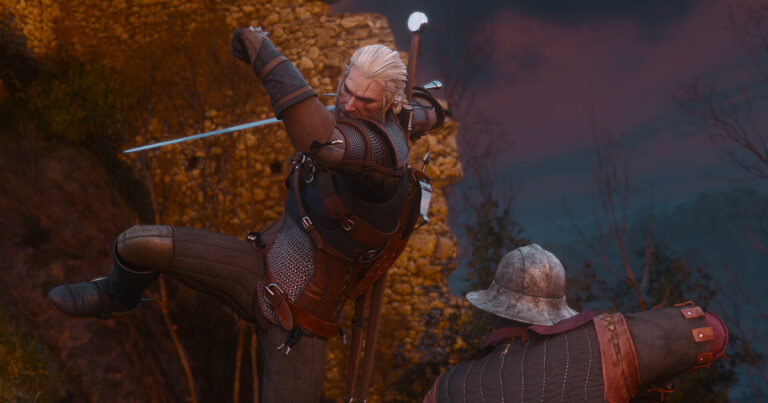
CD PROJEKT’s announcement of a new expansion, Songs of the Past, for The Witcher 3 was met with lukewarm reactions in the stock market, reflected in a slight dip in share prices. This could suggest market skepticism towards further expansions of longstanding titles without substantial innovation or novel content delivery, despite the game’s established fanbase (GameWorld Observer).
Additionally, the ongoing saga of Star Citizen surpassing a billion dollars in crowdfunding illustrates the community’s sustained support for ambitious projects, despite criticisms regarding its prolonged development cycle (GameWorld Observer).
Global Expansion and Cultural Hurdles
Global expansion included Revolution Software’s collaboration with Rokky to bring the Broken Sword franchise to China, an effort to tap into one of the world’s largest gaming markets. This move is likely to spotlight the localization challenges and the potential demand for Western titles tailored to regional preferences (GamesIndustry.biz).
Understanding Industry Pressures
In another vein, the internal industry dynamics and challenges of side work restrictions were elucidated in recent discussions, underscoring the tension between creativity and legal corporate constraints (Game Developer).
Overall, these developments accentuate the continuous evolution of the gaming landscape, shaped by emerging technologies, regional expansions, and industry practices that impact both developers and consumers alike.