

Nvidia's acquisition of Hugging Face highlights a colossal AI tech investment, while Meta pushes boundaries with AI game tools and VR hardware advances.
Nvidia’s decision to purchase Hugging Face for nearly $13 billion represents a significant move in the tech industry, underscoring the growing importance of artificial intelligence in gaming and software development. As reported by GameWorldObserver, this acquisition places Nvidia at the forefront of AI technology, bolstering its capabilities and influence as an AI chip manufacturer by integrating Hugging Face’s renowned platform for AI models. This strategic alignment enhances Nvidia’s AI portfolio, likely leading to broader applications in gaming, given the rising demand for AI-driven tools and experiences across digital environments.
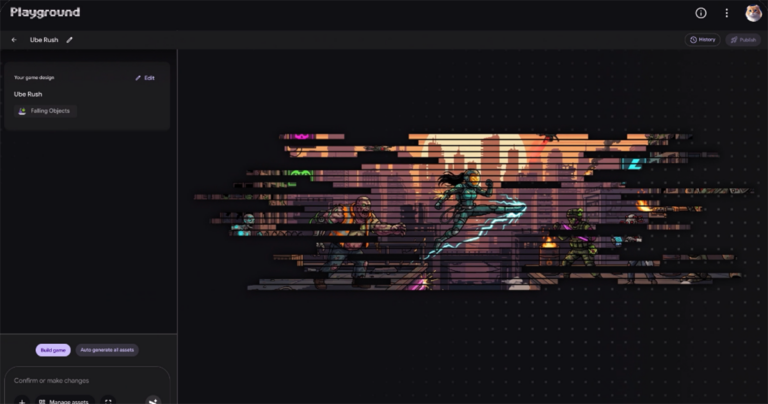
Speaking of AI innovations, Meta’s unveiling of new AI-powered game development tools and VR technology is noteworthy. According to GamesIndustry.biz, Meta introduced tools enabling players to create 2D and 3D games directly on mobile devices and browsers using simple prompts. Additionally, their VR glasses were launched with immediate Unity support, reinforcing their commitment to broadening VR accessibility and utility. These developments further exemplify the merging lines between AI tech and interactive entertainment, pointing to a more dynamic and user-driven creation process.
In other acquisition news, Danish studio Trophy Games has acquired the developer Playrion from Paradox Interactive, as noted by GamesIndustry.biz. While the financial details remain undisclosed, Trophy’s acquisition of Playrion, recognized for “Airport Simulator: First Class,” indicates a consolidating trend within the gaming industry, where studios are diversifying portfolios and seeking IP synergies to streamline production capabilities.
Shifting to legal matters, Epic Games is embroiled in a potential lawsuit involving consumer protection concerns over “dark patterns” in “Fortnite.” As detailed by GameWorldObserver, Stichting Massaschade & Consument, a Dutch consumer protection group, has filed a complaint that could see Epic Games paying out 100 million euros. This highlights growing scrutiny on game monetization practices, particularly those perceived as manipulative, which could lead to tighter regulations within the industry.
Additionally, the evolving landscape of mobile game marketing has seen significant discussions. Insights from the 2026 Global Mobile Game & AI Marketing report, covered by GameWorldObserver, reflect shifts towards faster creative iterations and enhanced player intelligence mechanisms. This emphasizes the necessity for marketers to adapt to AI-driven analytics and innovations to enhance player engagement and retention strategies.
The ongoing developments in AI, acquisitions, consumer rights, and marketing reshape how games are designed, marketed, and consumed, indicating a more interconnected and AI-integrated future for the gaming industry.