
Reigns developer Nerial shuts down, Krafton ends PUBG spin-off, and Nexus Mods acquires SteamDB in a busy industry week.
This week in the gaming industry sees significant studio closures, strategic platform tie-ups, and a renewed focus on industry gatherings after a long hiatus. As companies juggle financial pressures and strategic refocus, the landscape continues to shift in unique ways.
Nerial Shuts Down; Krafton Cancels Black Budget
The economic toll has claimed another casualty with Nerial, best known for their acclaimed games ‘Reigns’ and ‘Card Shark’, announcing its closure due to “significant trading losses” experienced over the past two years. According to a report from GamesIndustry.biz, this decision highlights the volatility smaller studios face in sustaining operations amid financial uncertainty.
Meanwhile, in bigger studio news, Krafton has decided to terminate the development of its PUBG spin-off, ‘Black Budget’, just nine months after a closed alpha test. As reported by GamesIndustry.biz, the project’s cancellation underscores the challenges of maintaining interest and engagement in competitive spin-offs of major franchises, especially when initial feedback and development results fall below expectations.
Platform Mergers: Nexus Mods Acquires SteamDB
On the platform front, Nexus Mods has expanded its reach by acquiring SteamDB, an analytic service trusted by many in the gaming community for Steam-related insights and data. This merger, reported by GameWorldObserver, represents a strategic effort to bolster Nexus Mods’ offerings by integrating comprehensive analytics with its game modding capabilities.
Industry Conferences and Support
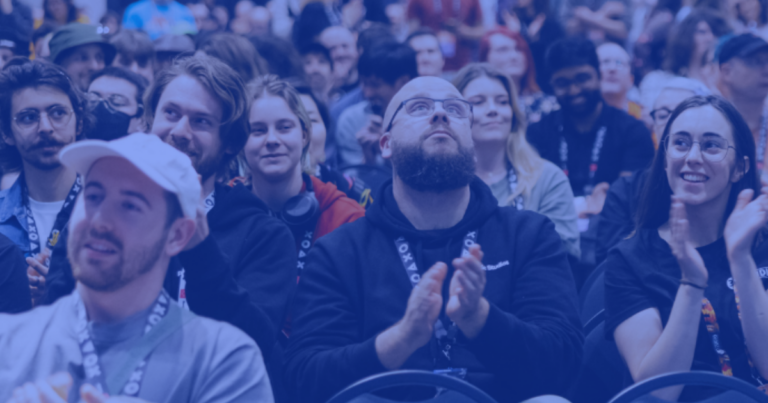
After a nearly decade-long absence, the New Zealand Game Developers Conference (NZGDC) returned to Auckland. Supported by the Auckland Council and organized by the New Zealand Game Developers Association, the theme this year was “Shaping Our World”. The event underscores the importance of regional conferences in nurturing local talent and providing networking opportunities in the global gaming industry, as covered by GameWorldObserver.
In parallel, the German government’s continued investment in game development reflects the increasing recognition of gaming as a valuable economic and cultural sector. Since 2019, over a quarter of a billion euros has been allocated to support developers, aiding in the growth and innovation within the German market, as noted by GameWorldObserver.
These structural shifts and events indicate a dynamic period for the gaming industry, with continued challenges as well as new opportunities for collaboration and growth. Whether it’s the closure of beloved studios, strategic mergers, or sector boosts through governmental support, the industry’s landscape is far from static.