
Game developers confront furloughs and industry critiques, while classic MMOs find balance in nostalgia and accessibility.
The world of PC gaming is witnessing a bout of introspection and change, with developments affecting both game studios and player experiences. From industry critiques embodied in new game concepts to studio employment challenges, there’s a substantial shift underway.
Bit Reactor’s Staff Return Amid Business Fluctuations
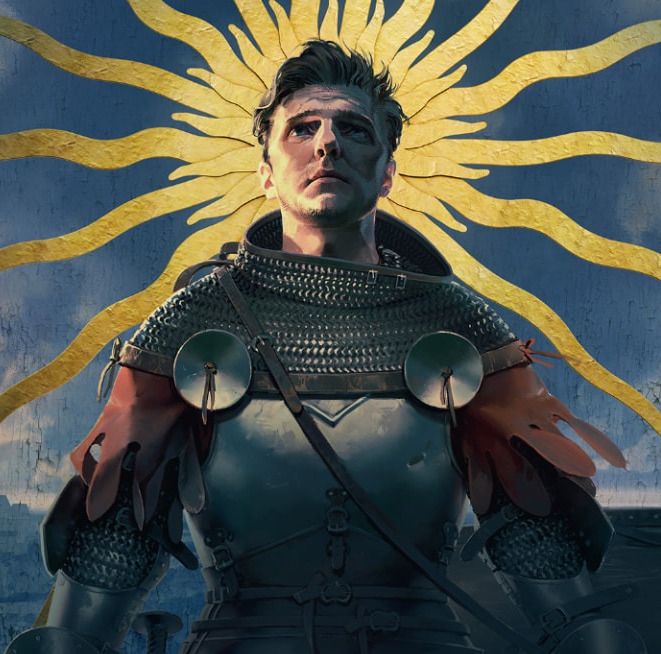
The most notable development comes from Bit Reactor, the studio behind the game “Star Wars Zero Company.” After facing significant sales uncertainties, the developer made the difficult decision to furlough over 80% of its workforce just as the game was launching. This decision left much of its staff unpaid despite their official employment status. However, in what can be seen as a positive turn for the studio and its employees, Bit Reactor has begun bringing back some of these furloughed staff. The studio’s CEO, Greg Foertsch, cited “unexpected business developments” as the initial cause but expressed optimism towards reversing the furlough as more business stability is achieved. Coverage by PC Gamer and gamesindustry.biz provides insight into the challenges and the hopeful adjustments being made.
Triple-A Minesweeper and the Industry Satire
On a different note, the gaming industry’s penchant for handholding and excessive guidance in blockbuster titles is being humorously critiqued by “Triple-A Minesweeper.” This spoof game, developed by Mike Lacher, tackles the notoriously self-guided nature of today’s triple-A titles. As described in an analysis by PC Gamer, the game is a playful satire of conventions such as overtly helpful NPCs and overly visible in-game hints, like yellow paint markers pervasive in many high-budget games. The game invites players to reflect on the current state of game design while enjoying a light-hearted take on an otherwise serious critique.
World of Warcraft: Forever’s Nostalgic Appeal
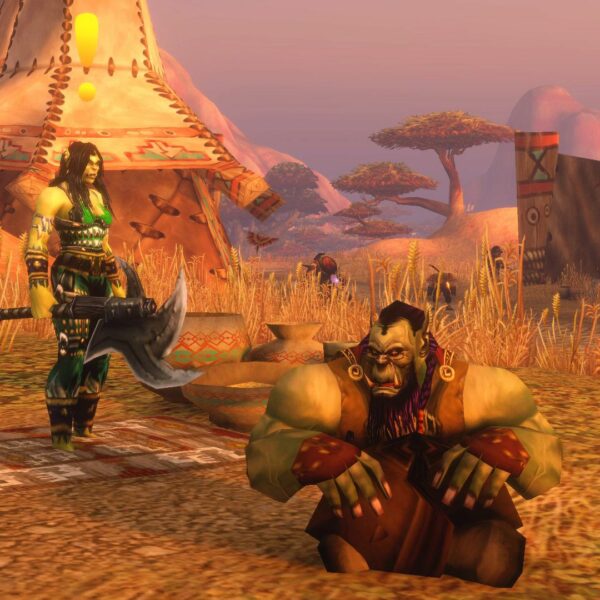
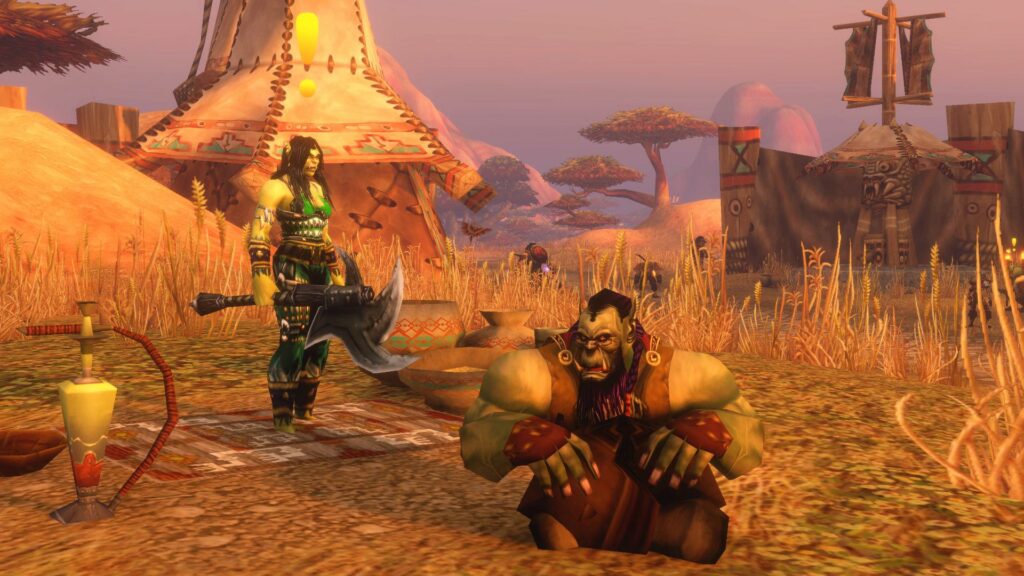
Meanwhile, “World of Warcraft: Forever” seems to have found an intriguing niche by rejecting some modern conveniences to rekindle its early days’ spirit. With a nod to classic MMO play styles, the game appeals to both veterans and newcomers. As reported by PC Gamer, this version balances complexity with accessibility, drawing in casual players who might otherwise be daunted by the full retail version’s intricacy. As such, the game demonstrates a successful approach to balancing nostalgia with modern gaming habits.
Overall, this period resonates with themes of adaptation and critique—be it through operational challenges at game studios or through the contents and delivery of the games themselves.