

The 2026 edition of Steam Next Fest is packed with demos, but its quality is under the microscope due to AI-generated content concerns.
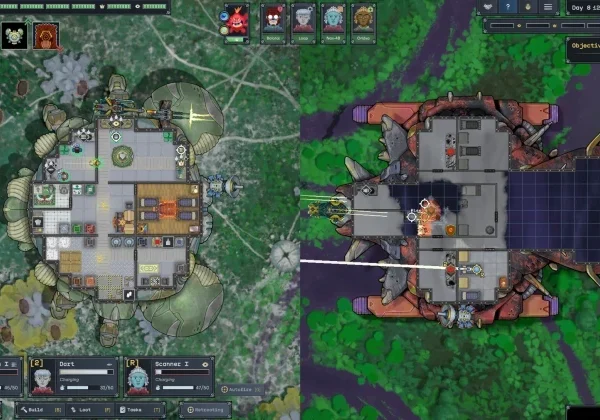
The gaming landscape today highlights a significant increase in the number of demos available at the Steam Next Fest 2026. As reported by Eurogamer, the event features more than double last year’s entries. However, this comes with growing concerns about the involvement of generative AI, raising questions about the quality and originality of some content amidst the flood of new demos offered to PC players. The challenge of discoverability remains for developers trying to stand out in such an expansive lineup.
Sony’s Potential PS6 Pricing Dilemma
In the realm of console gaming, GamesHub reports that alleged high costs of PS6 components, specifically RAM and NAND, are stirring speculation about Sony’s pricing strategy for the upcoming console. The report, which has not been confirmed by Sony, suggests that hardware costs are north of $680 per unit. This raises questions about how Sony will price its next-generation console in what is expected to be a competitive market.
Market Dynamics: Xbox Game Pass Rotations and Player Counts
Meanwhile, GameSpot highlights the forthcoming changes to the Xbox Game Pass lineup, with eight titles set to depart at the end of October, including beloved classics from LucasArts and Double Fine. This underscores the ongoing dynamics of subscription-based services, where game availability can be as fleeting as it is expansive.
On the other hand, GamesHub notes that Deadlock: City Never Sleeps continues to attract a growing player base, surpassing 300,000 concurrent players as its latest update propels the game toward new content with the introduction of hero Nurse Harrow.
Industry Challenges: Layoffs and Restructuring
The business side of gaming is also seeing its share of challenges. As Eurogamer reports, Funcom is undergoing restructuring and faces potential layoffs following the continuation of Dune: Awakening’s lifecycle into console markets. Such moves highlight the volatility within the gaming industry, where even post-launch success does not always shield companies from economic recalibrations.