
Undead Labs has made significant layoffs following its separation from Xbox, reflecting ongoing industry volatility while studios like Nex Playground adapt to hardware challenges.
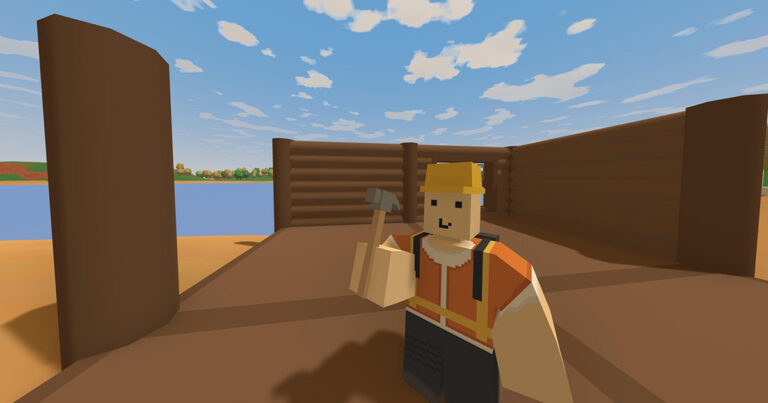
In a notable industry development, Undead Labs has carried out significant layoffs following its recent separation from Xbox. This downsizing follows Microsoft’s earlier announcement of its intent to divest the Seattle-based game studio, which gained recognition for the “State of Decay” series. While the specific reasons behind this corporate decision remain unclear, the financial and operational reverberations are already being felt by the studio and its employees. The move highlights the ongoing volatility within the gaming sector, especially as companies navigate strategic shifts and financial pressures. (GameDeveloper)
Meanwhile, despite facing a challenging hardware market, Nex Playground is reportedly exceeding expectations, thanks in part to its streamlined business strategy. The company underscores the importance of maintaining positive margins in order to continue investing in its ever-growing software costs, which are rising annually. This approach reflects a broader industry trend where studios prioritize flexible and efficient business models to weather economic and logistical storms, particularly during periods of hardware shortages. This ability to adapt could serve as a model for other companies dealing with similar challenges. (GameDeveloper)
In another development related to user security and compliance, Discord has reintroduced an age verification policy, utilizing an ‘account signal’ methodology. This approach builds an age estimation model based on various user account indicators to ensure compliance and safeguard younger users effectively. While the details of this methodology remain somewhat vague, it represents a proactive effort by Discord to bolster its platform security amidst ongoing scrutiny over user privacy and age-appropriate content. (GameDeveloper)
Lastly, following the merger of Obsidian and Bethesda, Jill Braff, president of Bethesda, has reportedly assured Obsidian staff that the studio will retain its creative identity despite the structural changes. Braff characterizes the merger primarily as a shift in reporting structures, aiming to allay potential concerns about a loss of creative autonomy within Obsidian, known for its narrative-rich role-playing games. This reassurance suggests an effort to maintain stability and morale within the creative teams as they adapt to the new corporate framework. (GameDeveloper)