

Major studios face layoffs due to ongoing economic pressures, while developers remain optimistic in challenging markets.
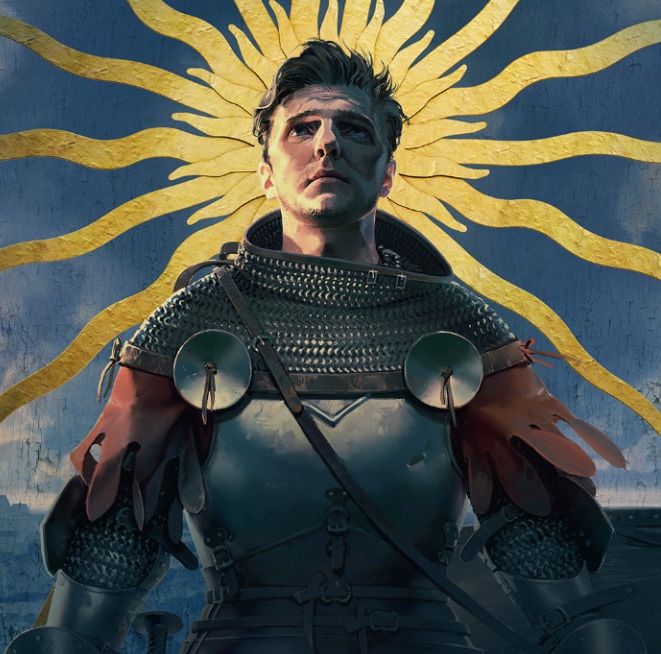
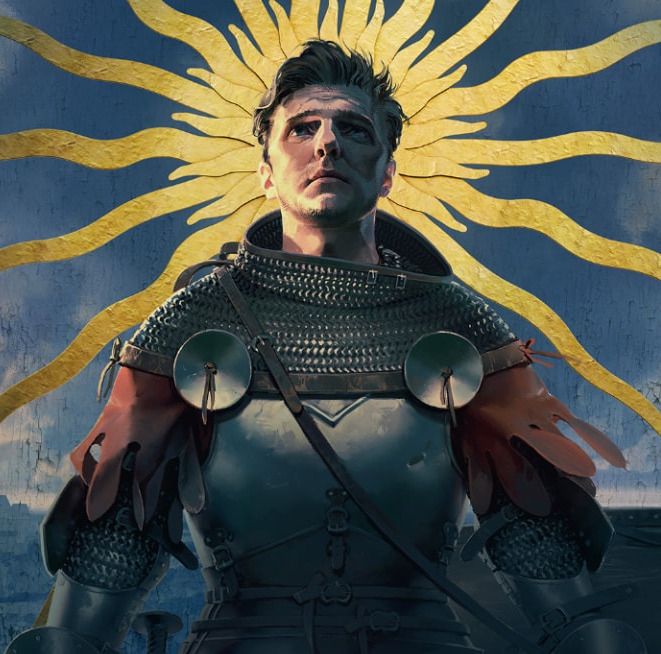
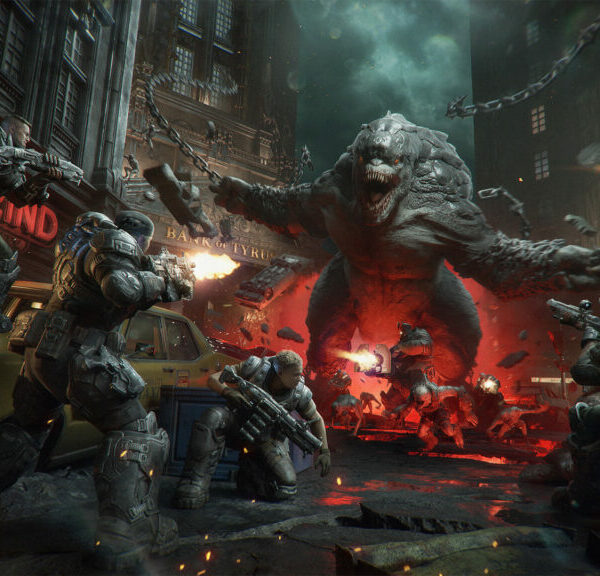
The ongoing wave of layoffs in the gaming industry unveils a grim reality that has not seen much relief since the critical years of 2023. Recent reports underline further job cuts at prominent gaming studios such as Supermassive Games and Ninja Theory, as well as a cautious note from Warhorse Studios on potential future reductions. The extensive layoffs mark a continuing struggle within the industry to adapt to fluctuating economic conditions globally and financial restructuring aimed at maintaining viability in a competitive market. Meanwhile, The Coalition has also entered the list of affected studios, indicating a widespread issue that spans beyond any single region or studio’s policies.
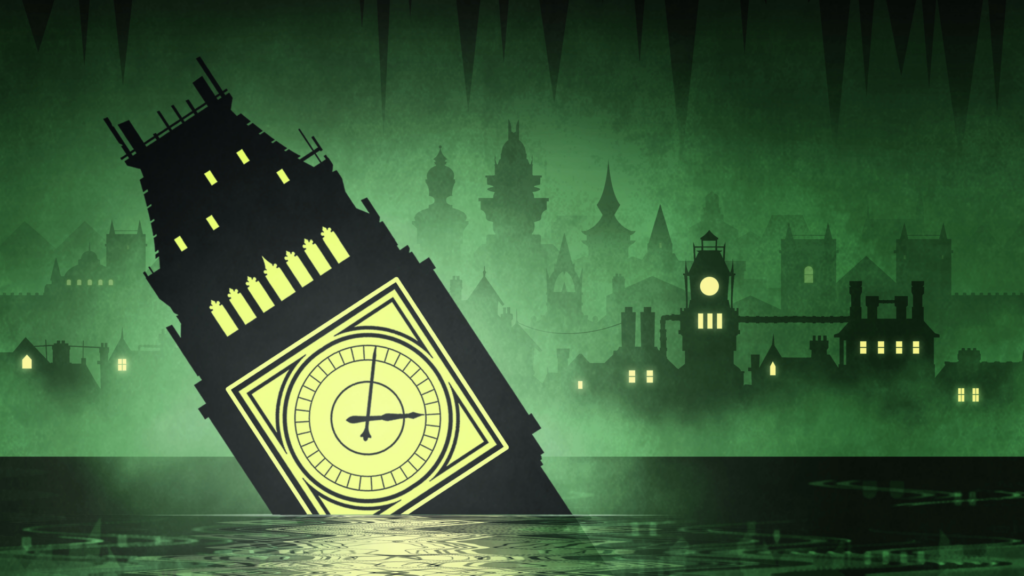
PC Gamer delves into the specifics, relaying how ongoing corporate maneuvering and broader economic forces constrict the stability of game developers, especially in North America. Supermassive Games, known for its interactive horror titles, recently announced potential layoffs affecting up to 75 employees, a move reflective of the uncertainty gripping the industry. This adjustment comes a few months after the launch of their project, Directive 8020, and demonstrates the broad impact that post-release performance and revenue considerations can have on a company’s workforce. More on this issue can be found here.
Market Challenges and Developer Optimism
Even as industry giants navigate these turbulent waters, some developers share a different outlook. An interview with Ubisoft Montreal Creative Director Xavier Marquis on PCGamesN shines a light on optimism in a challenging market. Despite the saturated and daunting landscape of multiplayer online battle arenas (MOBAs), Marquis believes in the potential success of their new project, “March of Giants.” Known for the triumph of “Rainbow Six Siege,” Marquis aims to replicate that success within an unforgiving MOBA market, driving home the point that innovation and quality can find a place even in competitive genres. For more insights into Marquis’s strategic perspective, check the full interview here.
Retro Gems and Modernized Crowns
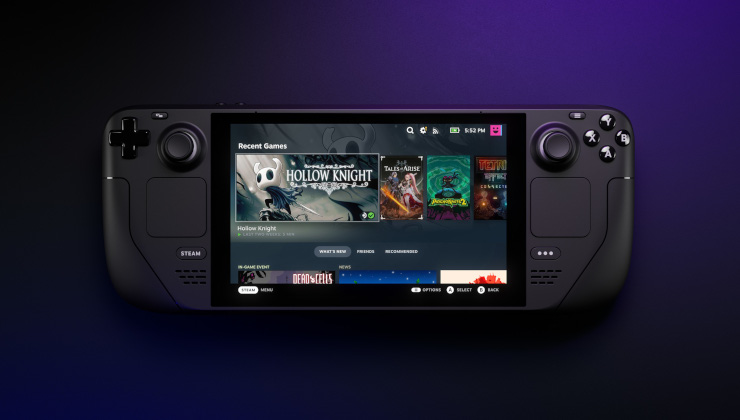
A surprise gem from the past has emerged with a spotlight in the ongoing Steam Autumn sale: “Xanadu Next,” a classic action RPG initially developed for the Nokia N-Gage by Nihon Falcom. It has caught the attention of modern gamers due to its availability on the Steam Deck. PC Gamer highlights how this retro title, rooted in the 1985 origins of its predecessor “Xanadu: Dragon Slayer 2,” caters to both nostalgia and current gaming landscapes seamlessly. As gaming hardware evolves, such integrations illustrate how older titles can carve out renewed relevance, bolstered by newfound accessibility. More on this revisit can be read here.
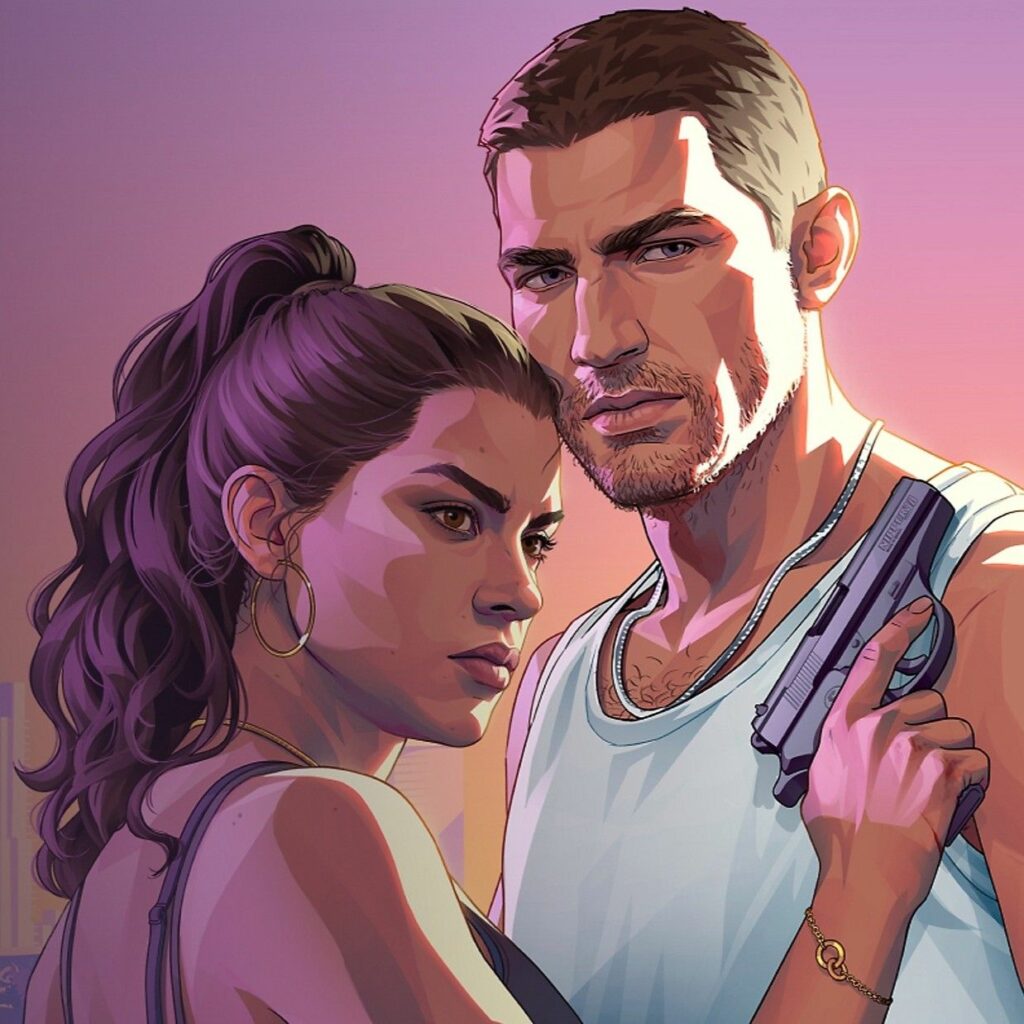
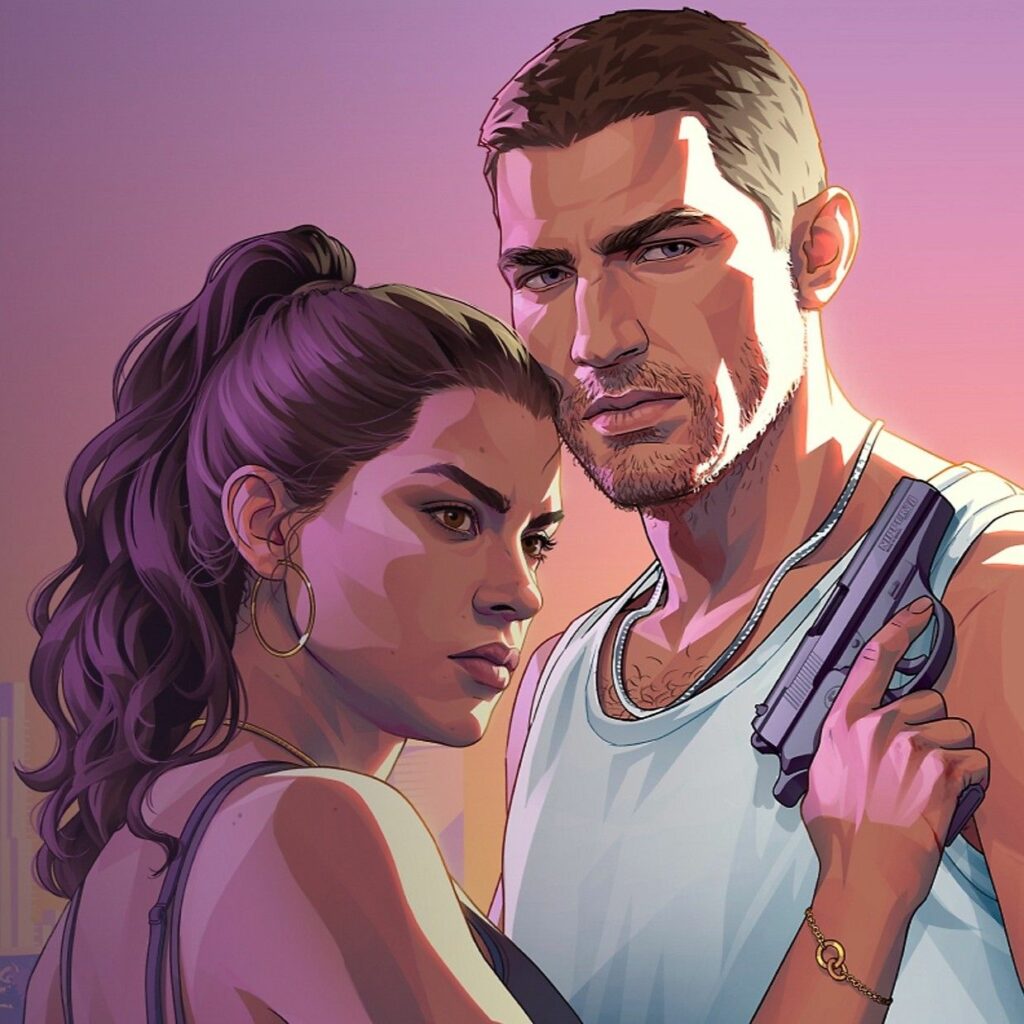
Lastly, in a somewhat unexpected twist, “Grand Theft Auto 6” is stirring conversations beyond gaming circles with its Vice City inspiration, closely tied to Miami’s cultural essence. Despite some criticism from the Miami-Dade Sheriff’s office concerning the game’s depiction of crime, the excitement surrounding GTA 6’s release remains undeterred. The integration of real-world locales and partnerships, such as the NBA’s ‘Vice City’ transformation, positions Rockstar’s title as a highly anticipated release with cross-industry promotional collaborations. Further details on this can be found here.